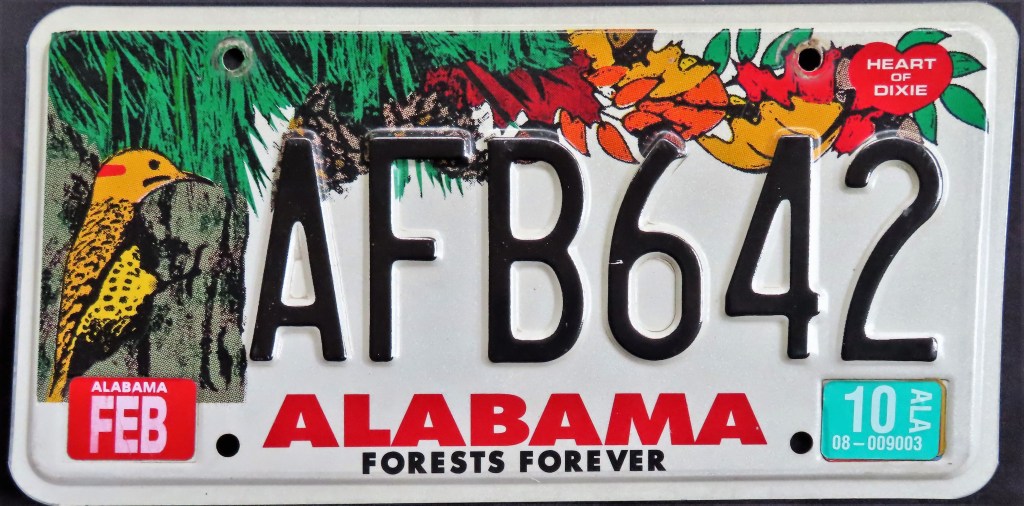
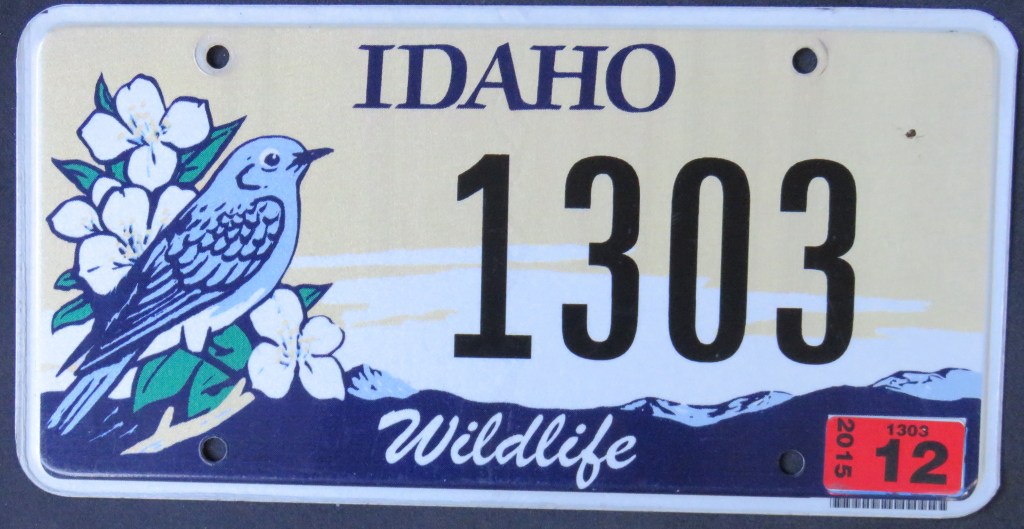
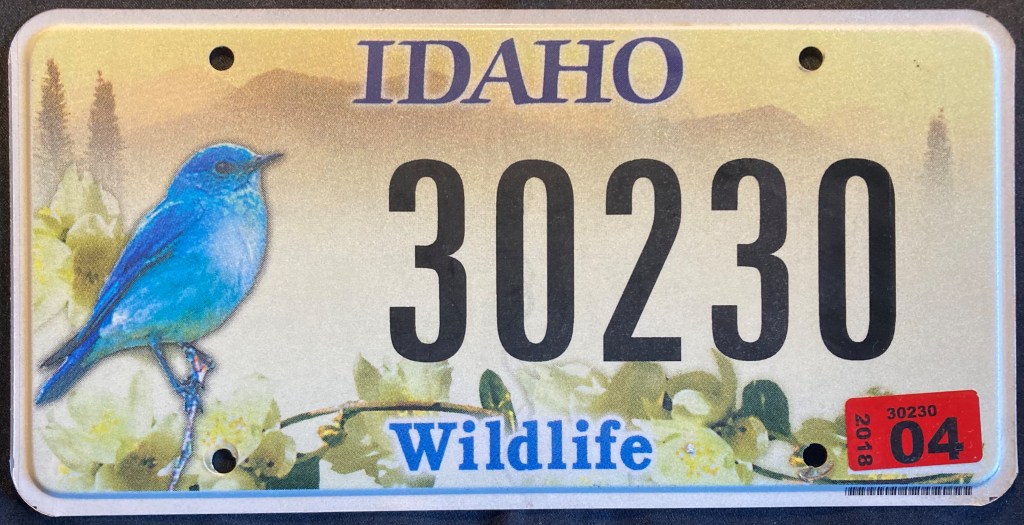
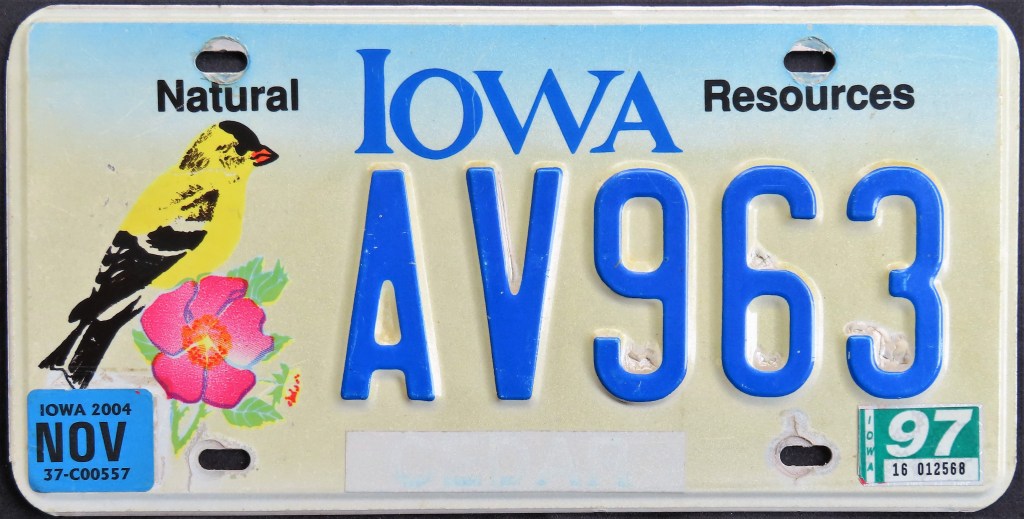
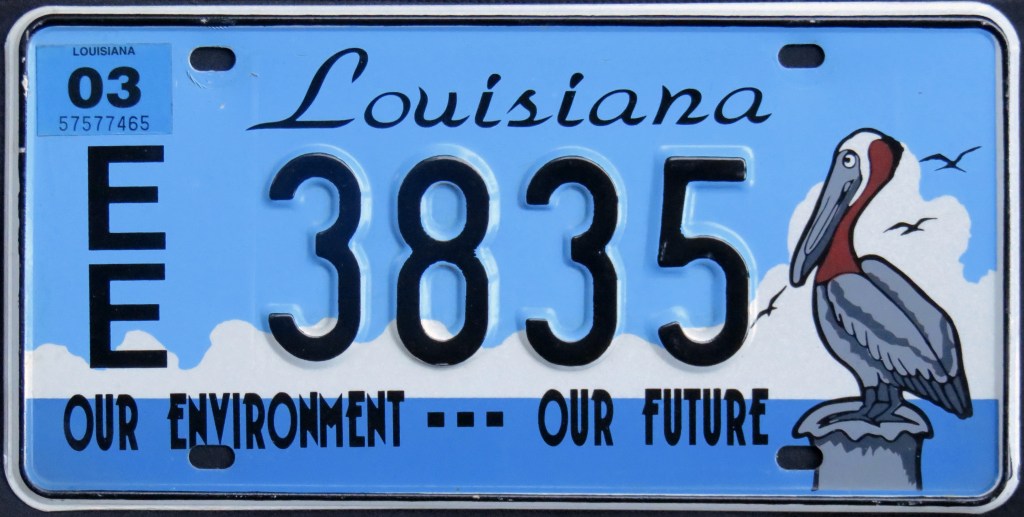
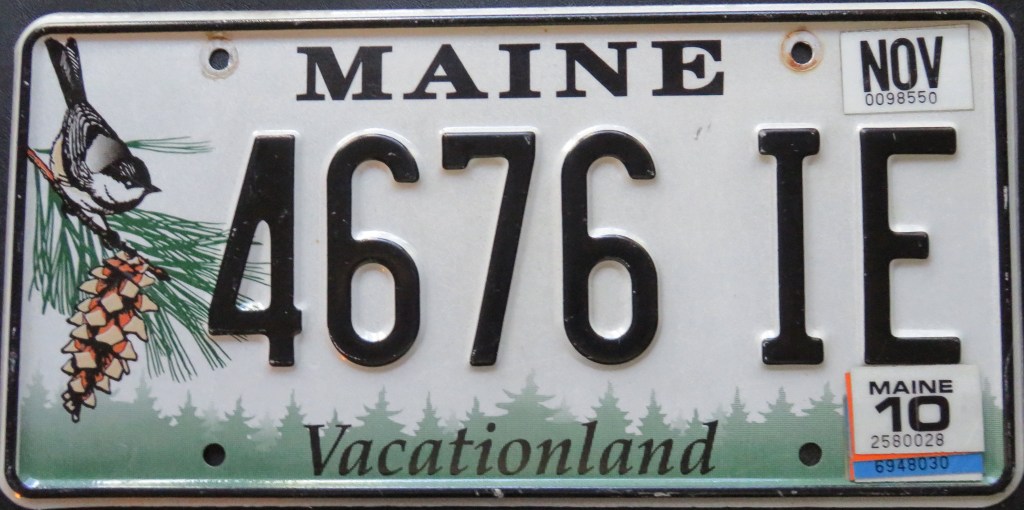
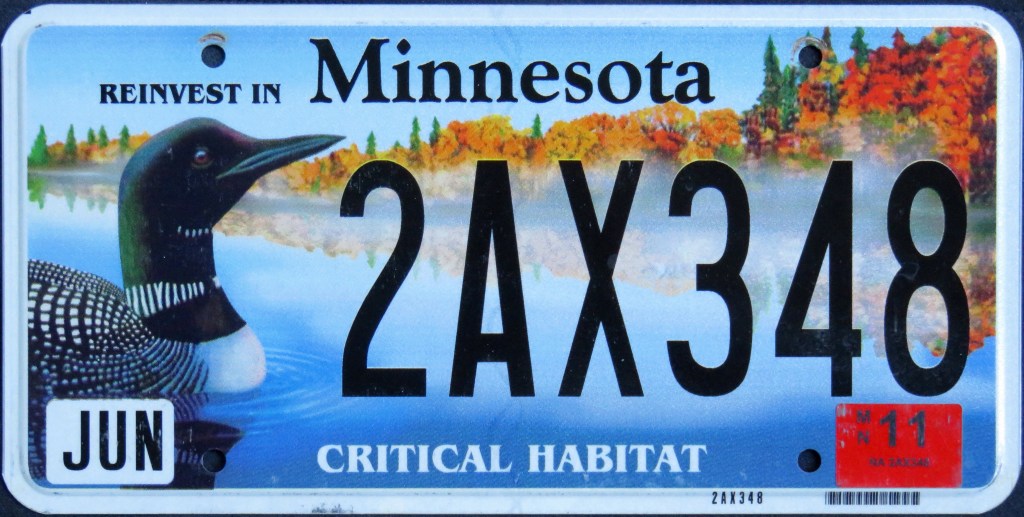
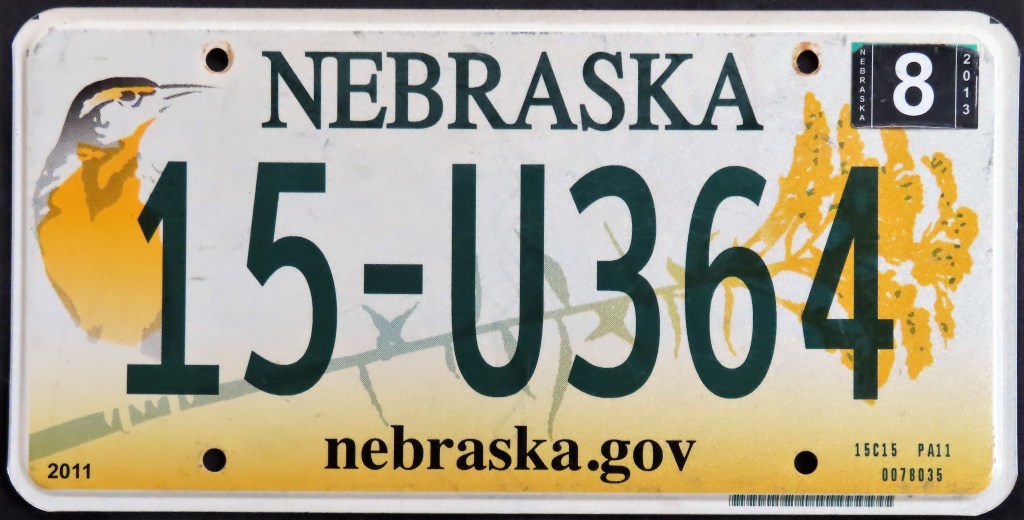
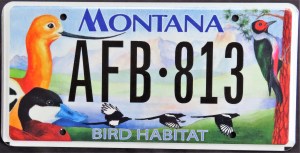
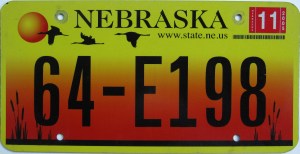
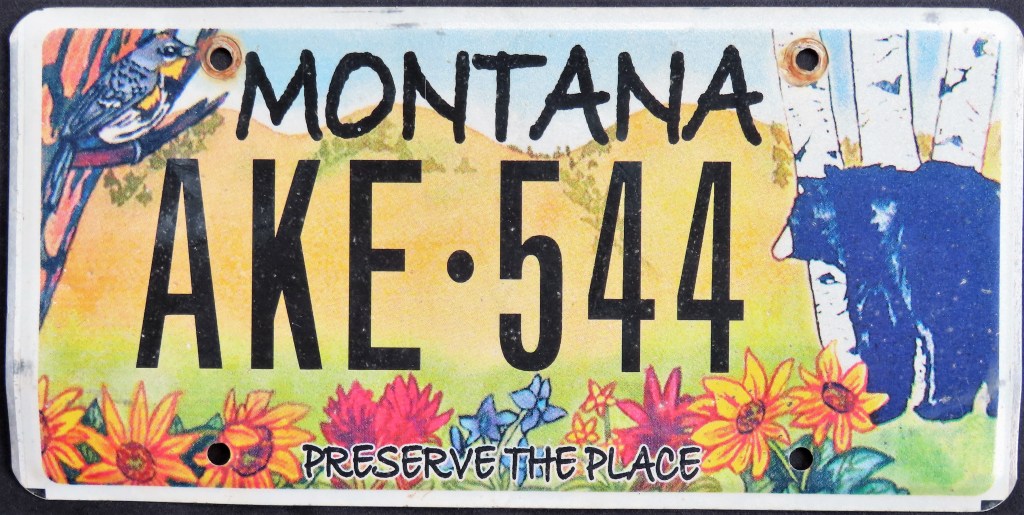
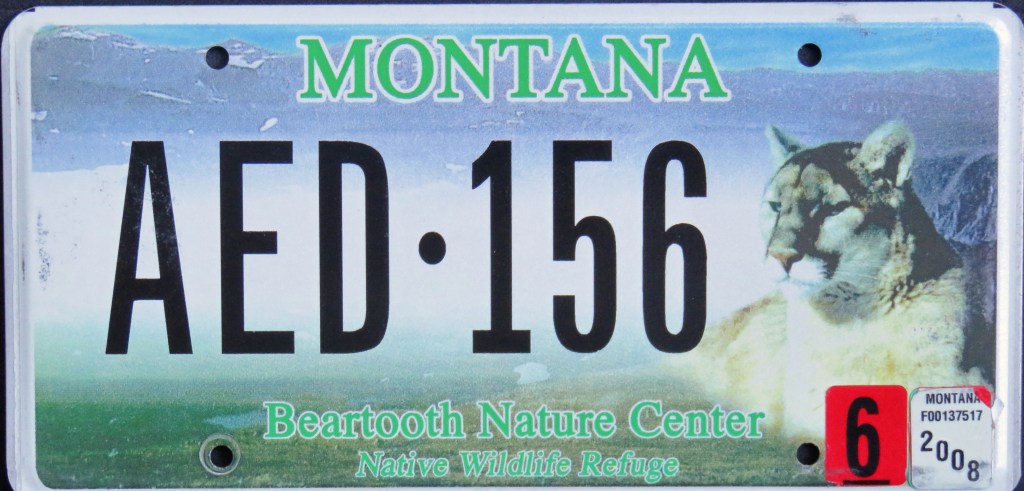
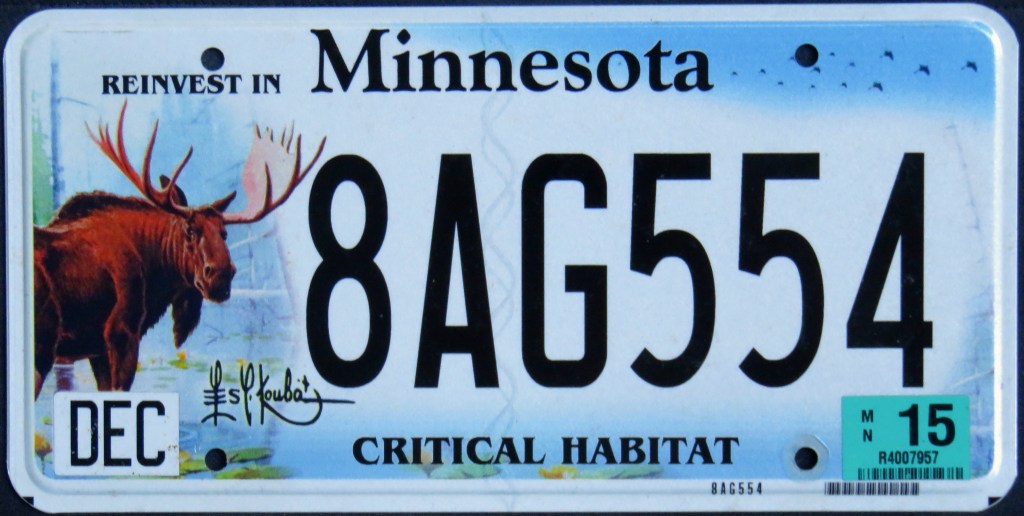
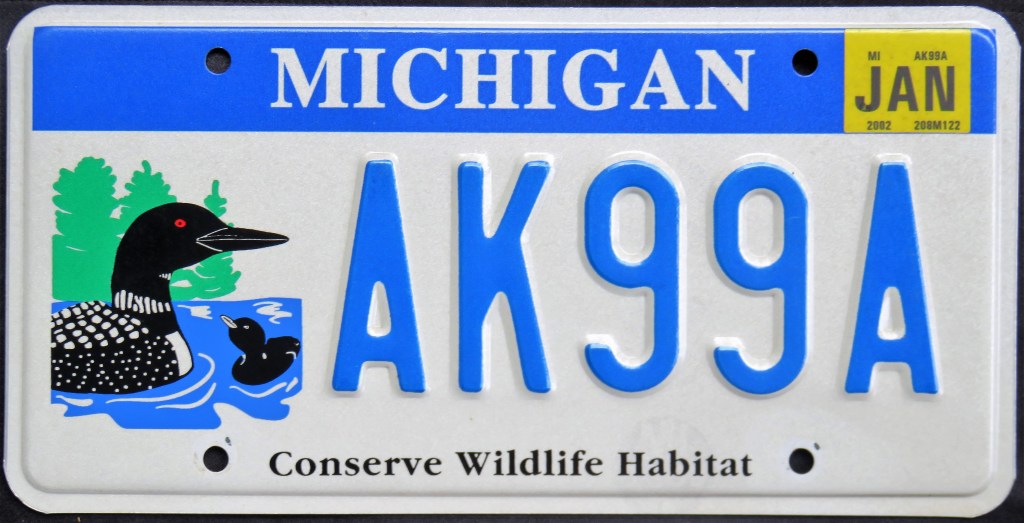
The Western Meadowlark is the state bird of six states; Nebraska featured it on the 2011 base and Montana did so twice, but Kansas, North Dakota, Oregon, and Wyoming have yet to use it. Missouri and New York share the Eastern bluebird. Other states depicted above are Alabama (Yellowhammer), Idaho (Mountain bluebird), Iowa (Eastern goldfinch), Louisiana (Brown pelican), Minnesota (Common loon), Maine (Chickadee), and South Carolina (Carolina wren). Some include the state flower – Idaho (Syringa), Iowa (Wild rose), Maine (White pine cone and tassel), Missouri (Hawthorn), Montana (Bitterroot, on the “Our Montana” plate), Nebraska (Goldenrod), and South Carolina (Yellow jessamine).
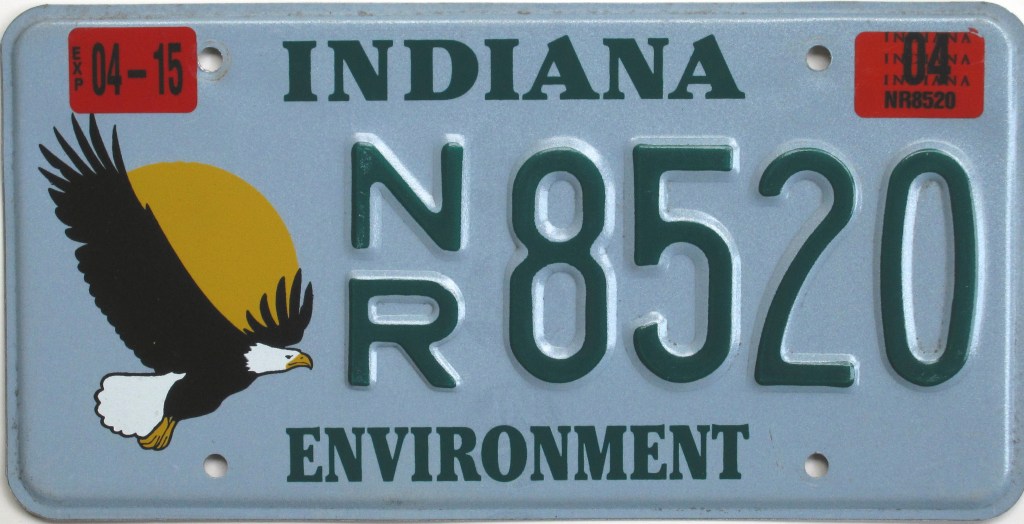
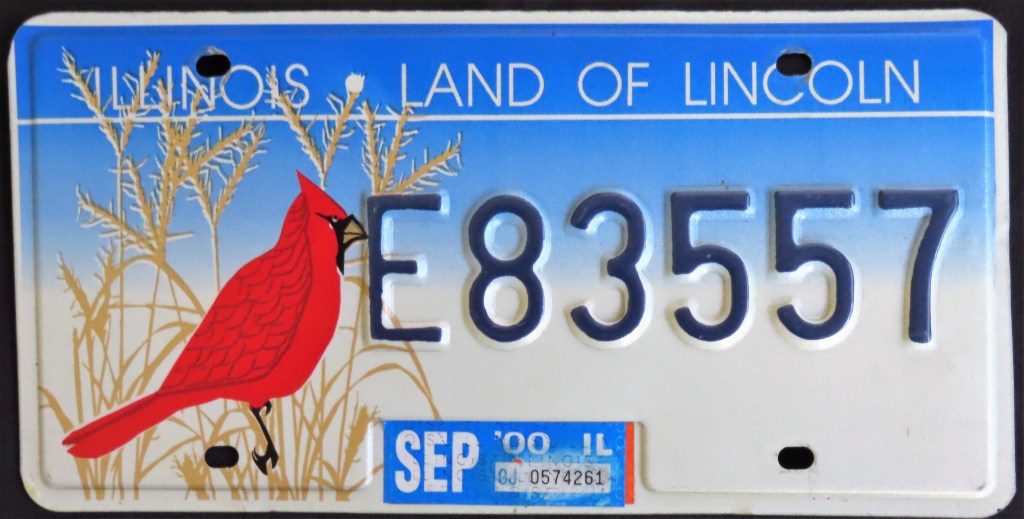
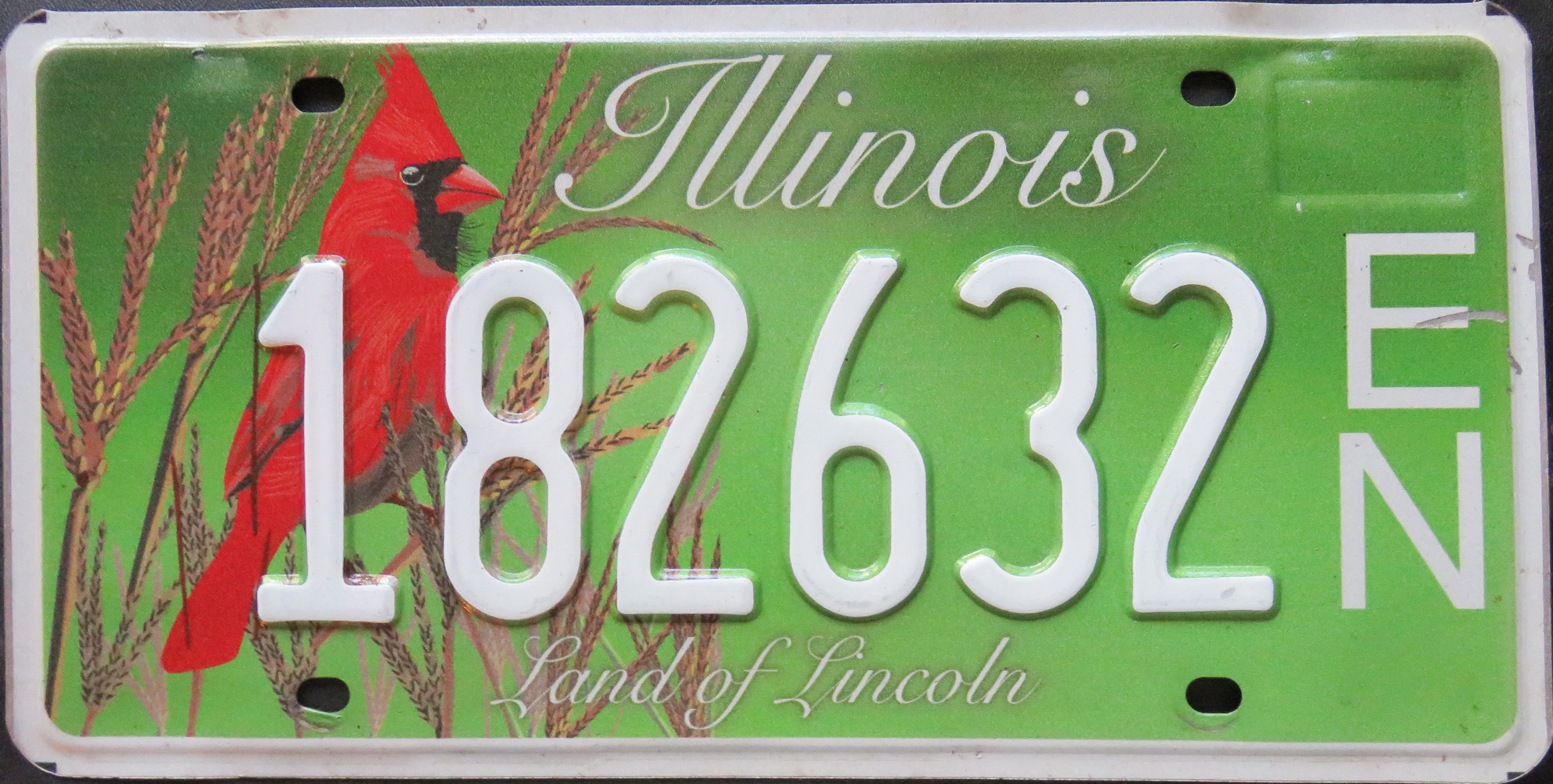
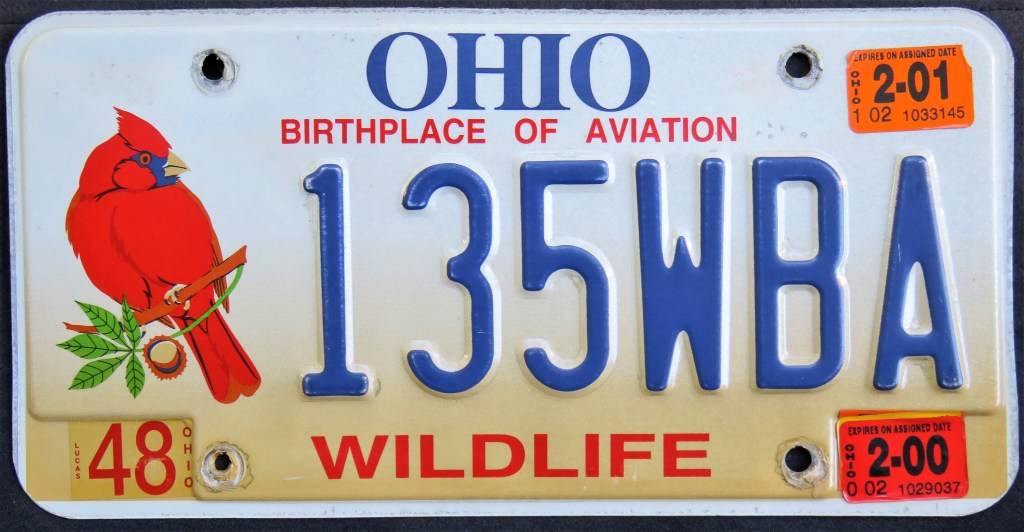
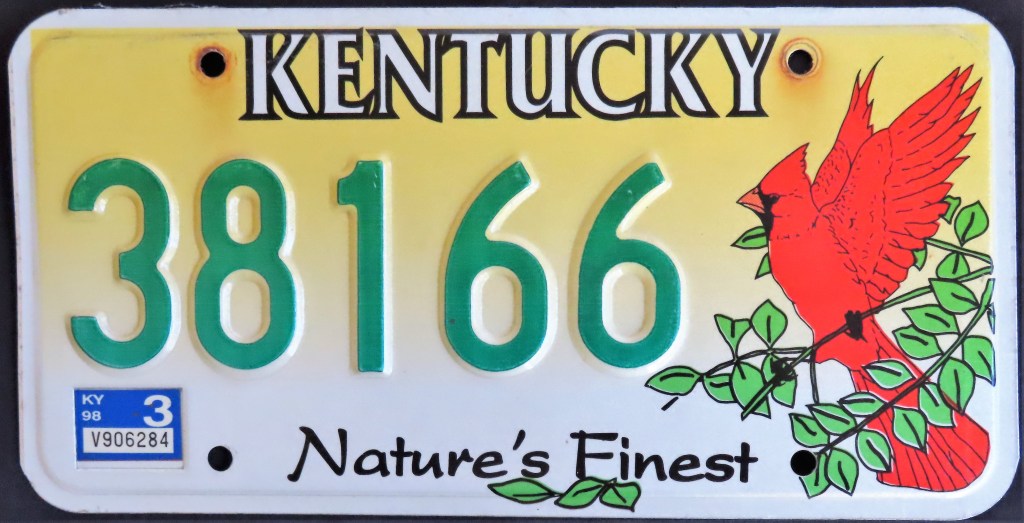
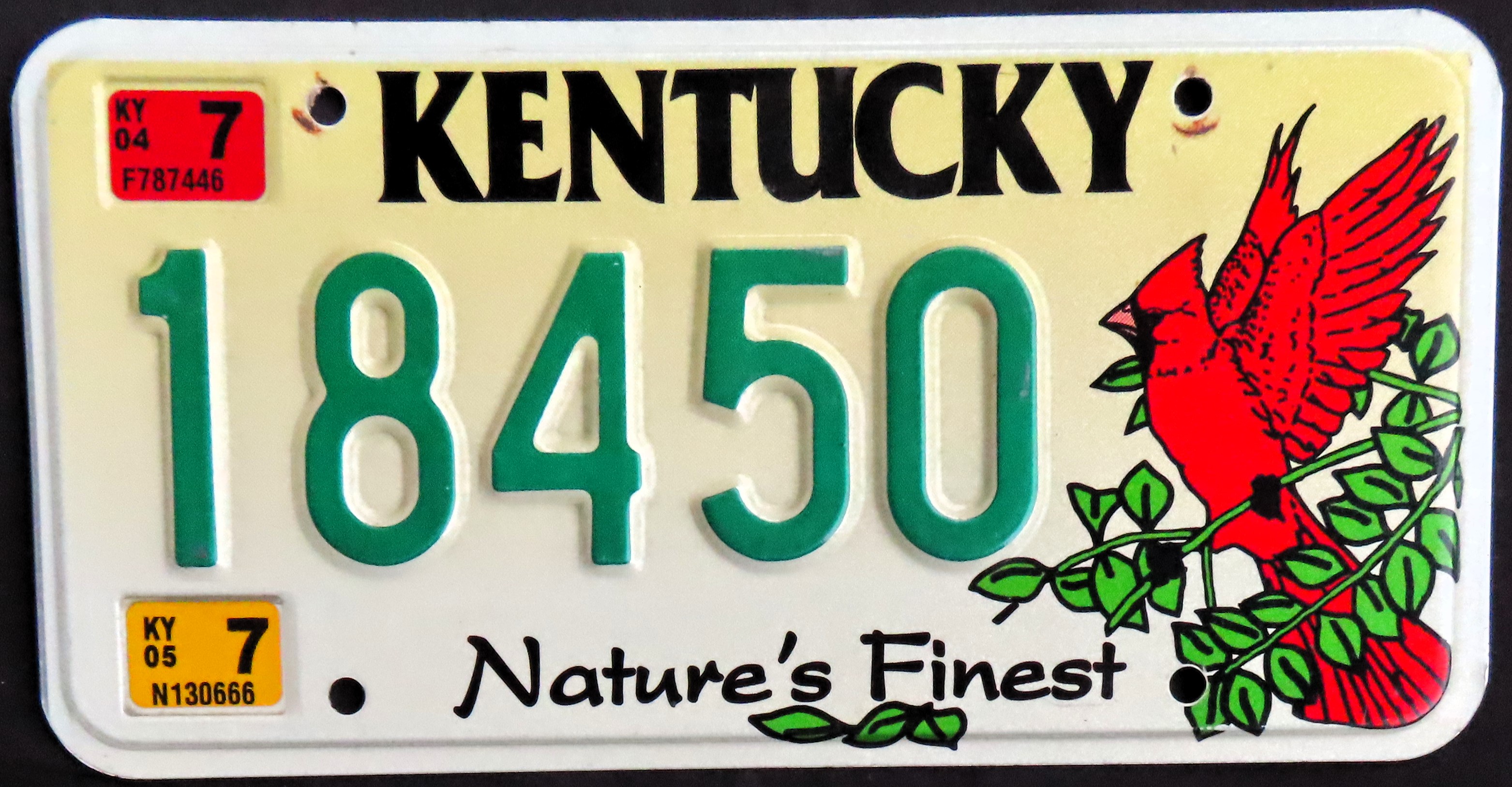
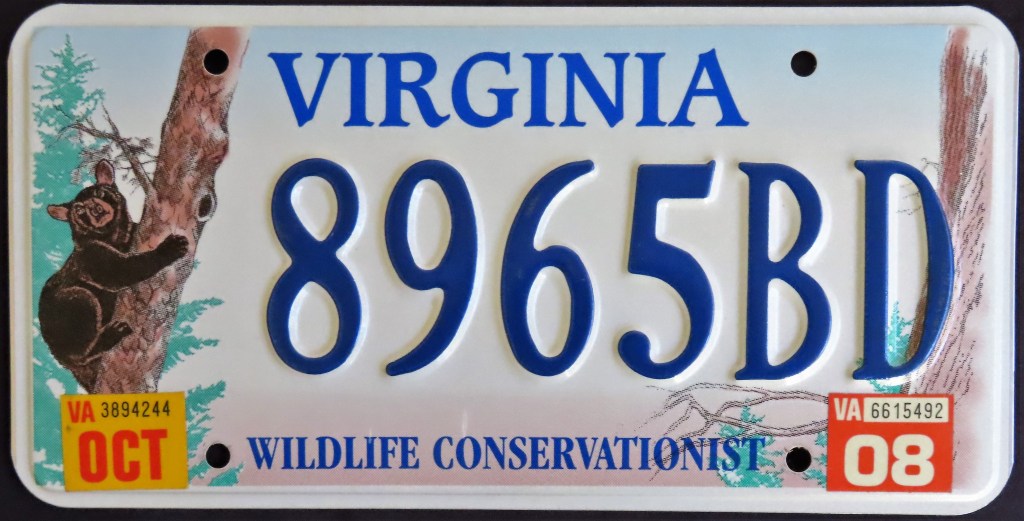
The Cardinal is the state bird of seven different states. Illinois adopted it firstly (1929), followed by Indiana (1933), Ohio (1933), Kentucky (1942), North Carolina (1943), West Virginia (1949), and Virginia (1950). North Carolina and West Virginia have yet to put the bird on a plate. Note all of the above benefit environmental causes except the Indiana plate (two versions) contributing to the Indiana Homeland Security Foundation, which supports public safety. The cardinal is an…interesting choice. Note that the Indiana, Kentucky, and Illinois plates above are successive versions in each case from oldest to newest.
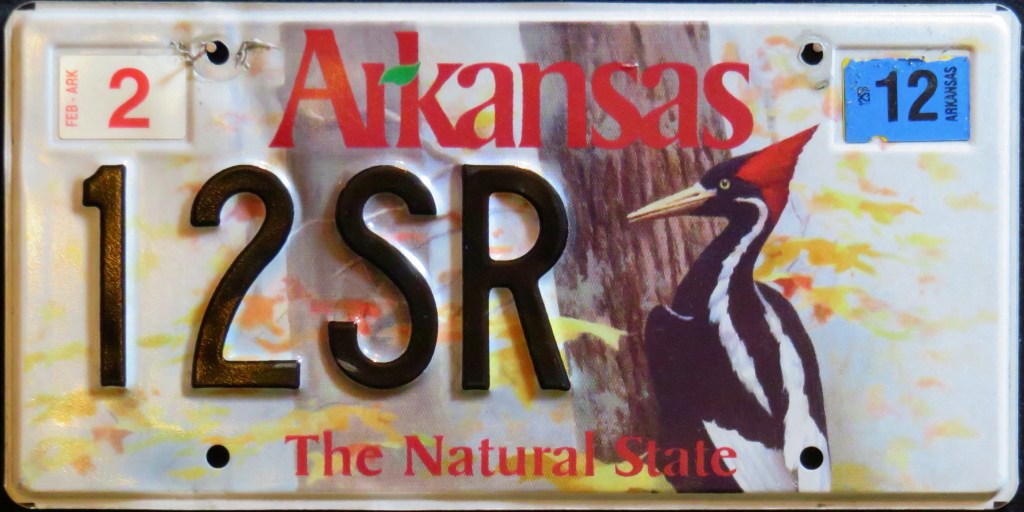
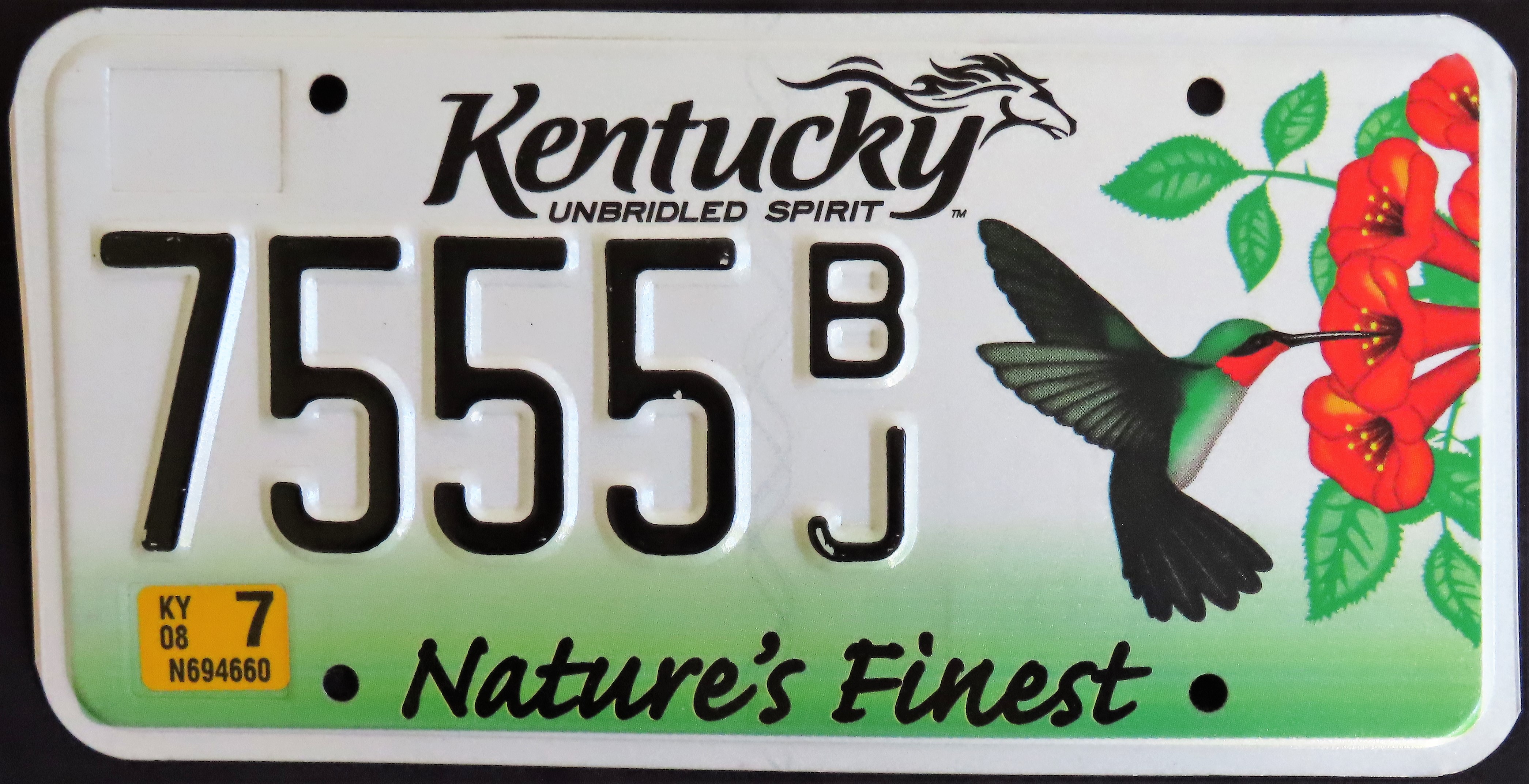
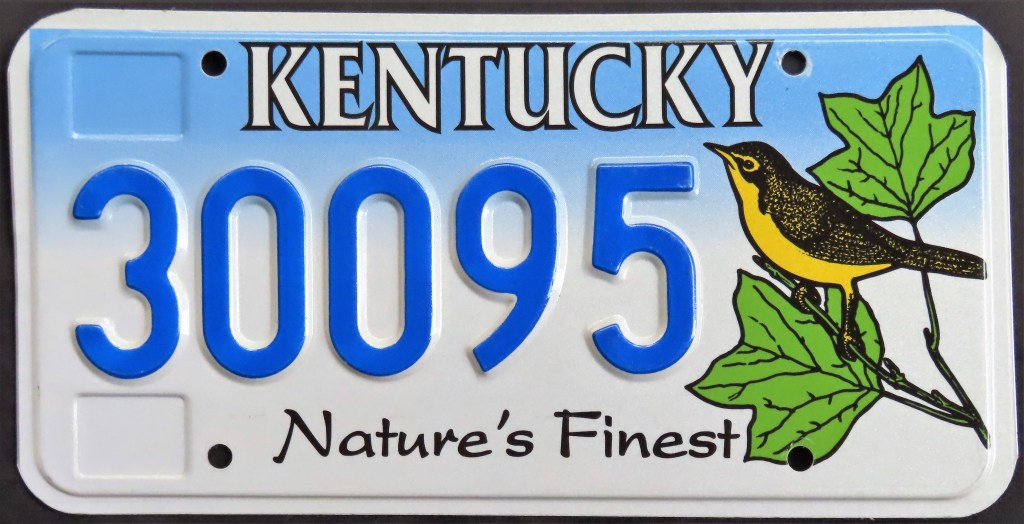
The above specialty plates feature the following feathered friends: Ivory-billed woodpecker (Arkansas), Northern bobcat quail (Georgia), Hummingbird (Kentucky & Mississippi), Kentucky Warbler (Kentucky), Quail (Kentucky), Chickadee (Minnesota), Woodpecker (New Jersey) Eastern bluebird (Tennessee), and the Grosbeak (West Virginia).
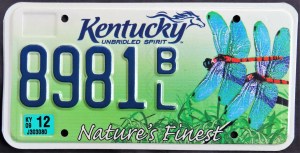
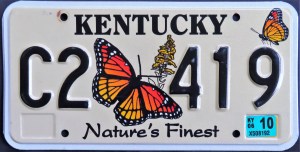
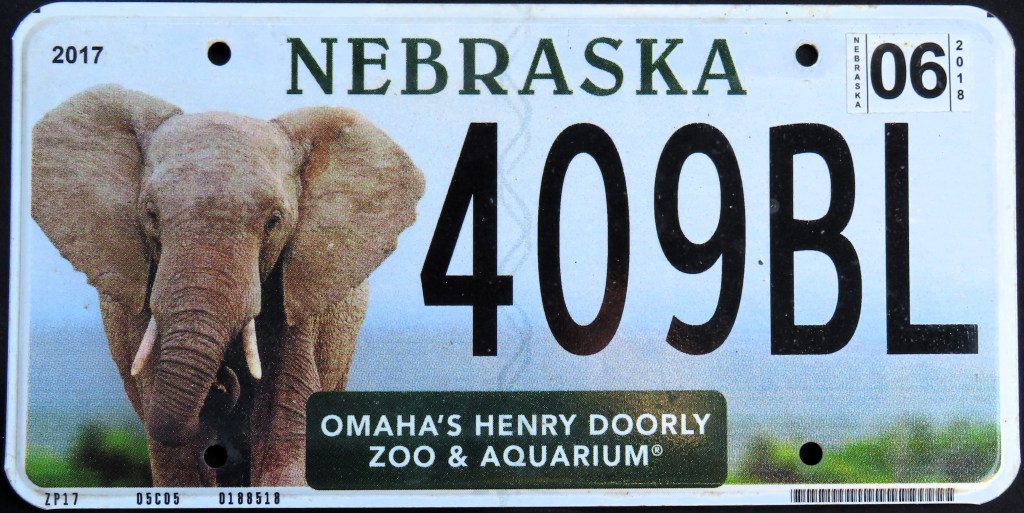
Alabama‘s “Forever Wild,” Montana‘s “Bird Habitat,” Nebraska‘s sandhill cranes, and Kentucky‘s butterflies and dragonflies from the “Nature’s Finest” series rounds out the air-borne wildlife.
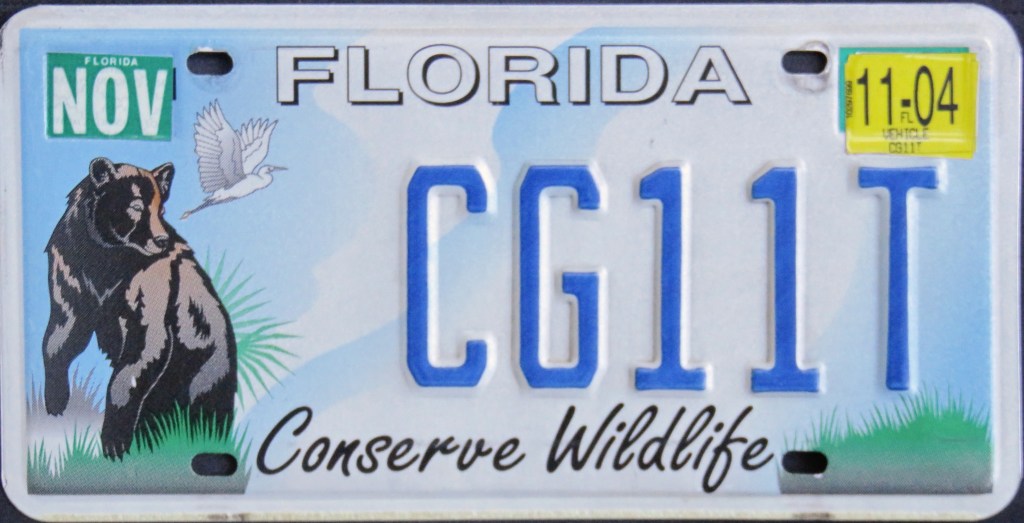
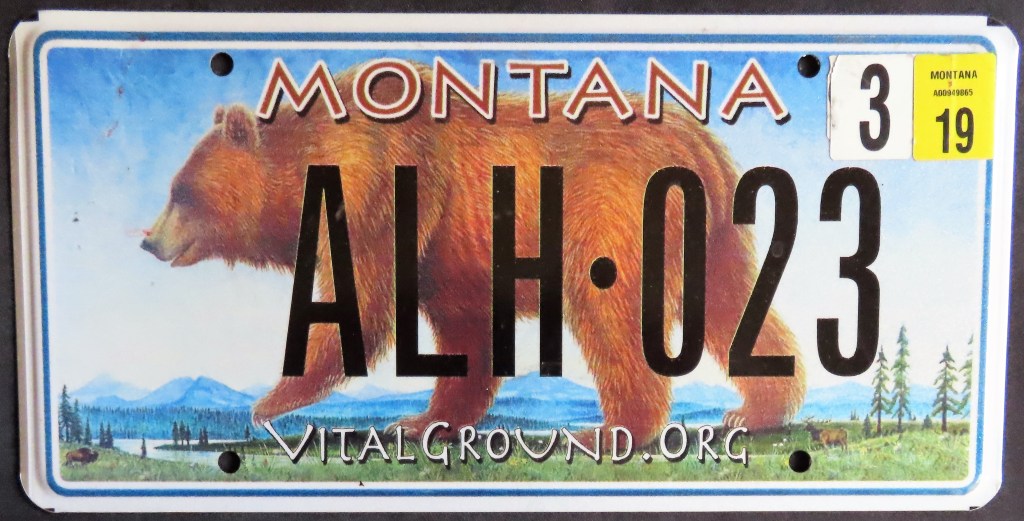
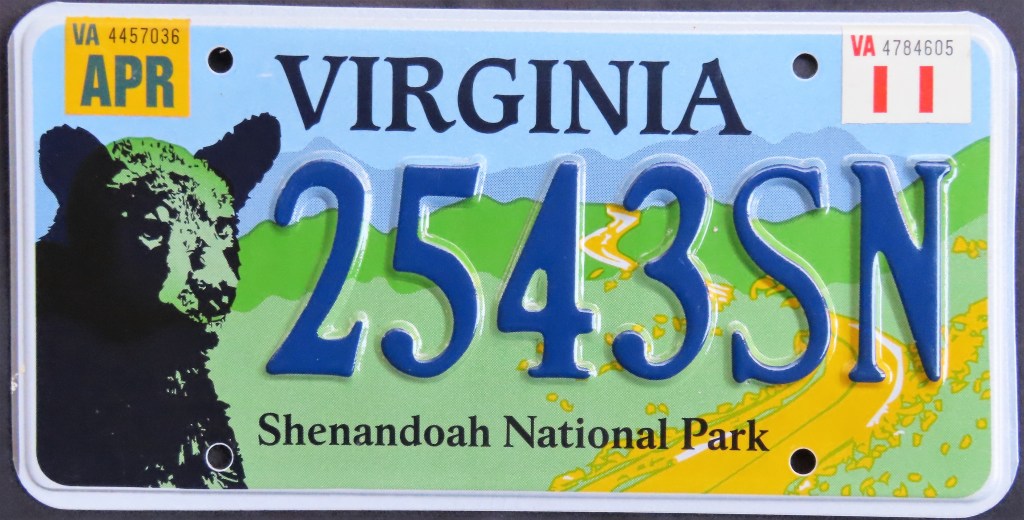
A standing grizzly adorned the Alaska U.S. Bicentennial base and was reprised 30 years later. Other states have used bears to represent National Parks, zoos, or wildlife in general.
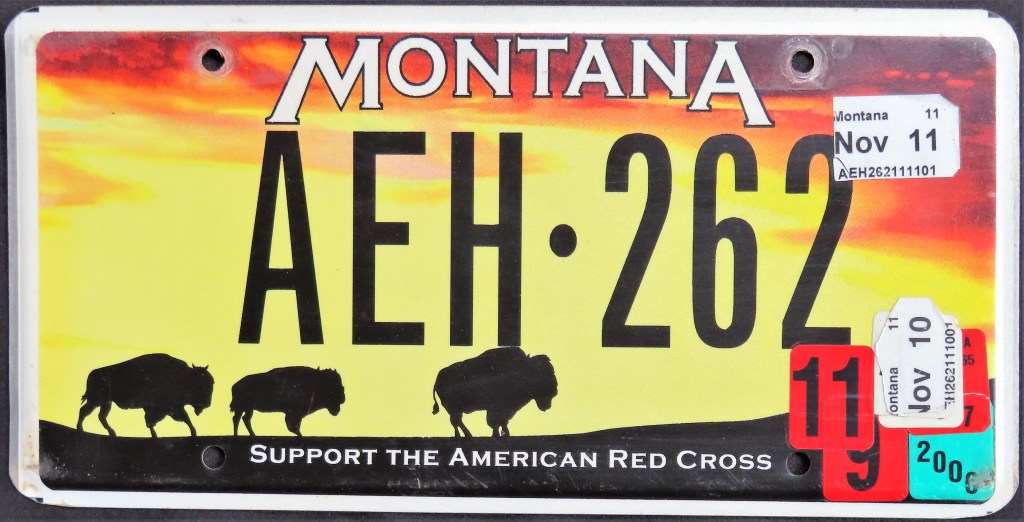
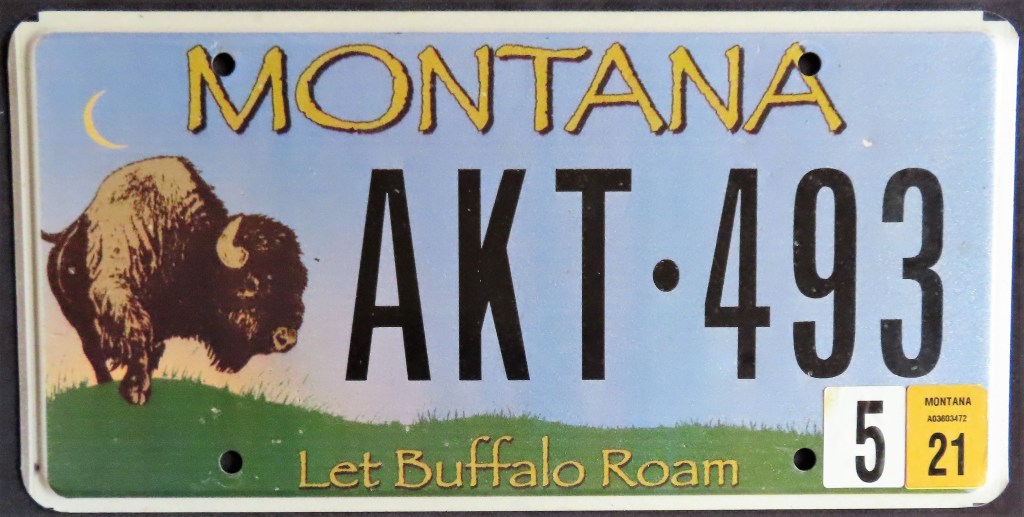
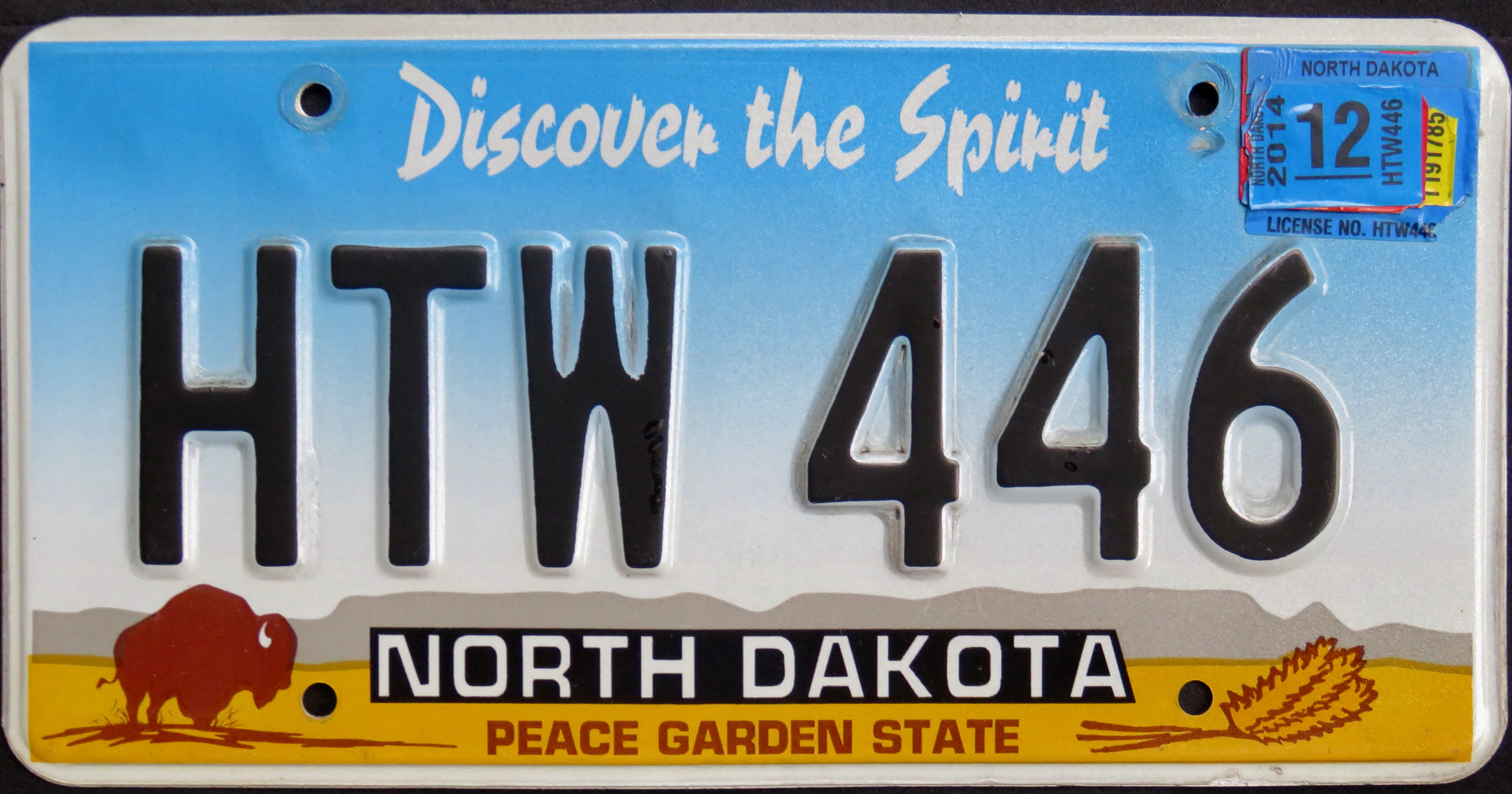
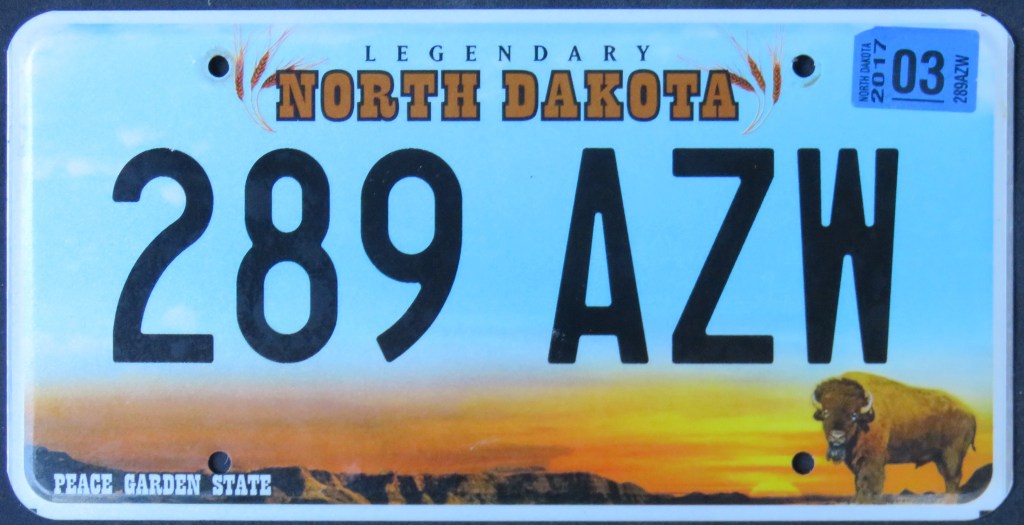
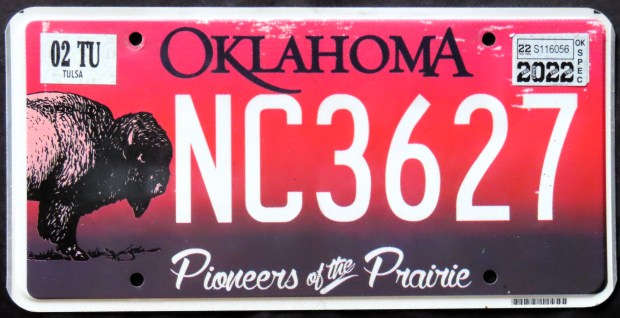
A buffalo (USA’s national animal) graces Kansas‘s 2004 vanity base plate. Montana has an option to preserve wild buffalo, and picked bison for the American Red Cross specialty. North Dakota has used it on the last two passenger bases. Oklahoma introduced it in 2017 on a specialty supporting conservation efforts.
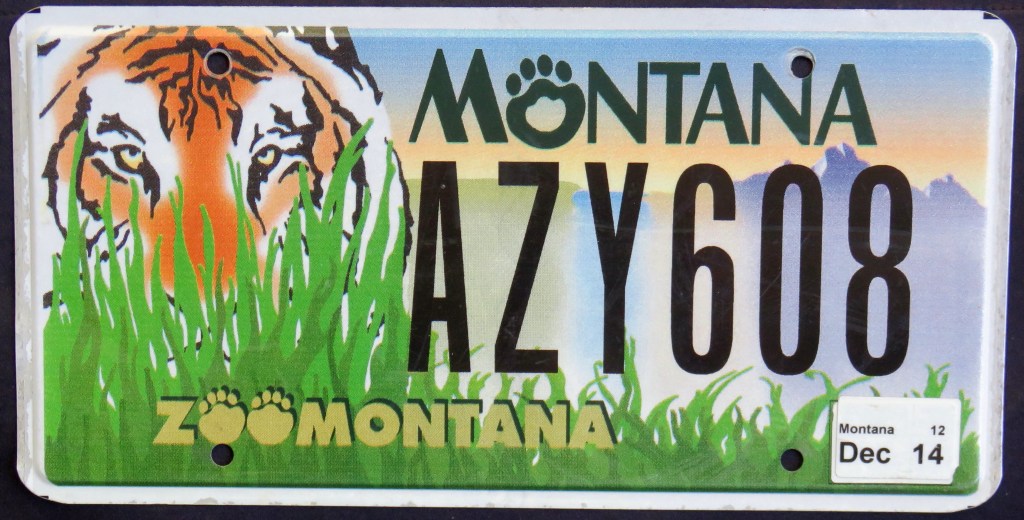
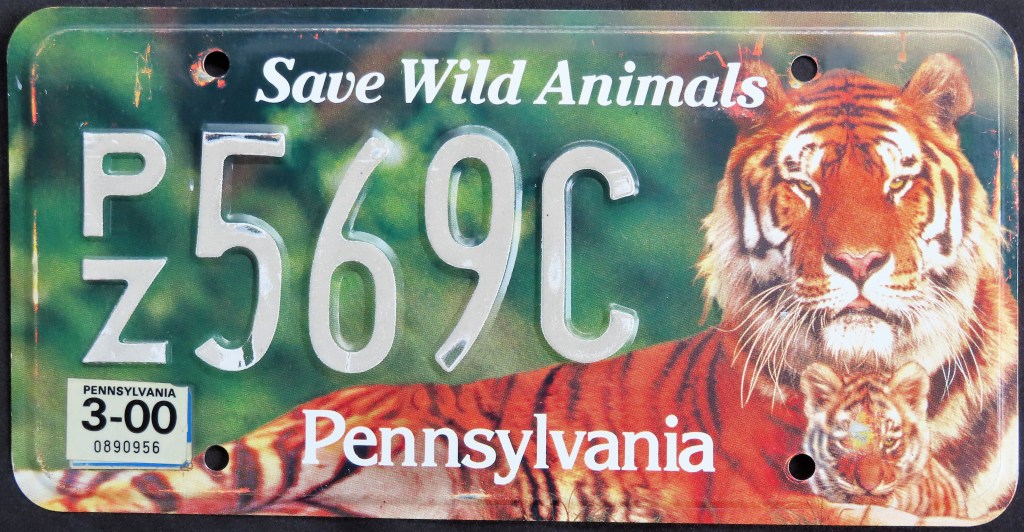
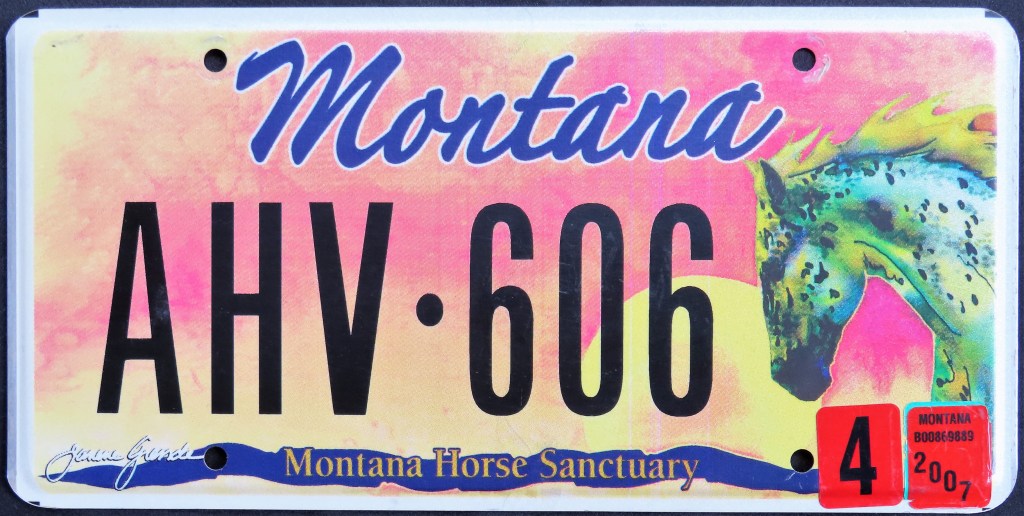
Florida’s “Protect the Panther” and Kentucky‘s Nature’s Finest bobcat have each had two versions, with dissimilar results. Also notice Pennsylvania‘s photo of a tiger versus Montana‘s more traditional graphic.
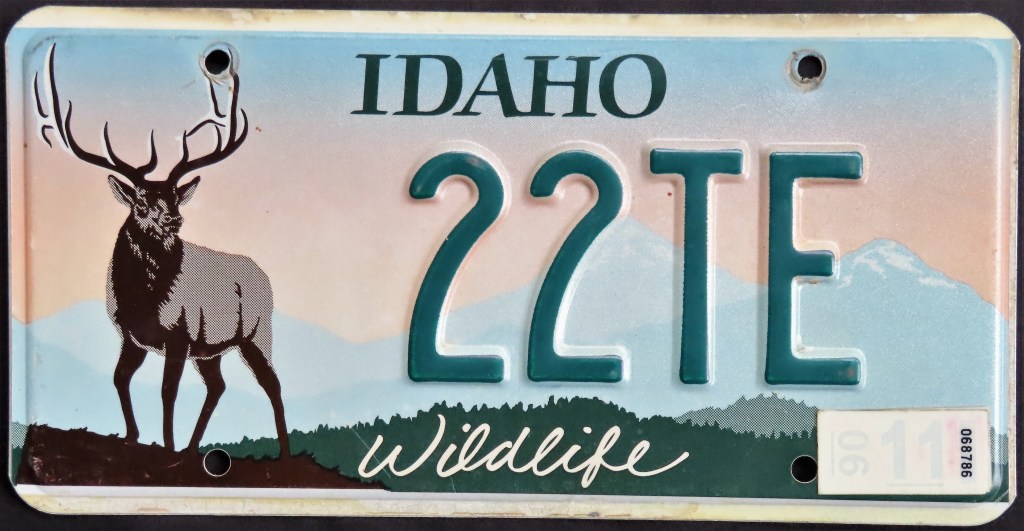
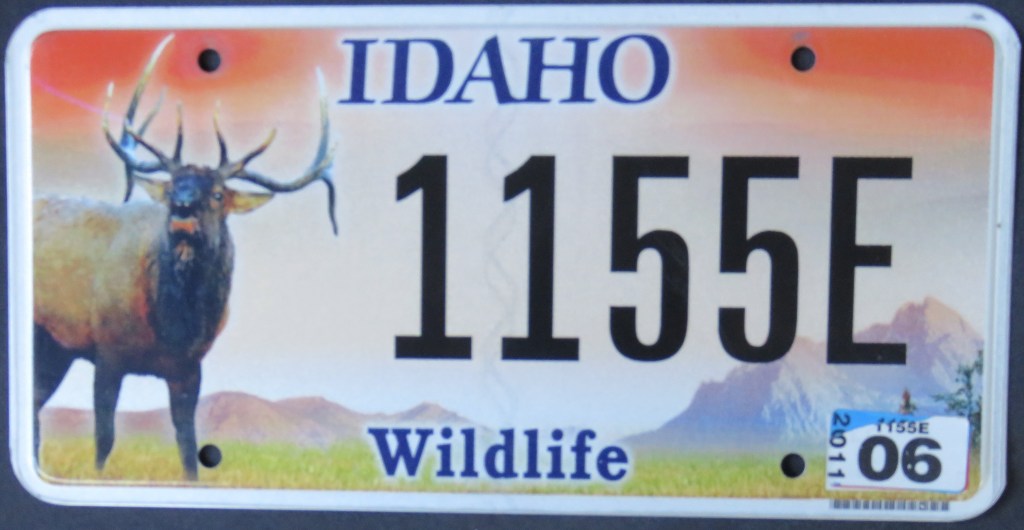
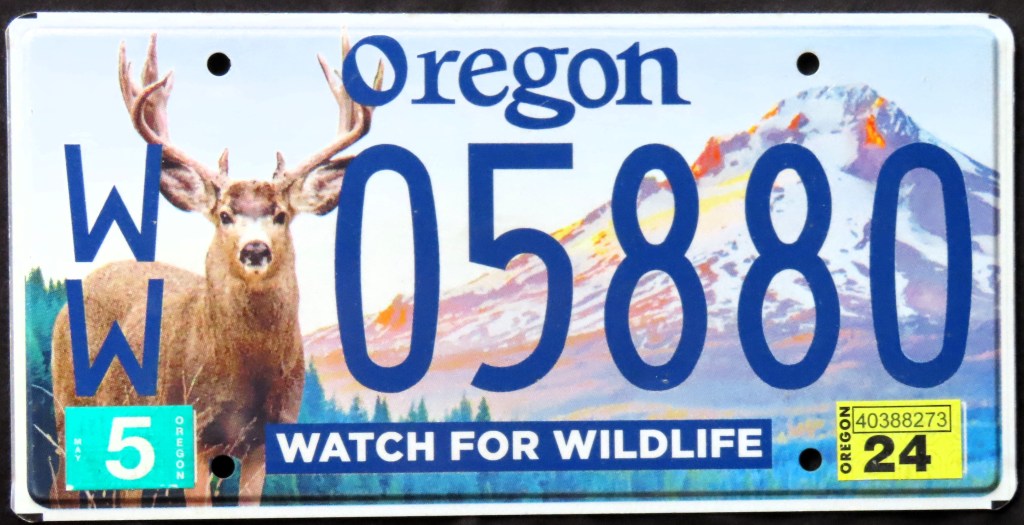
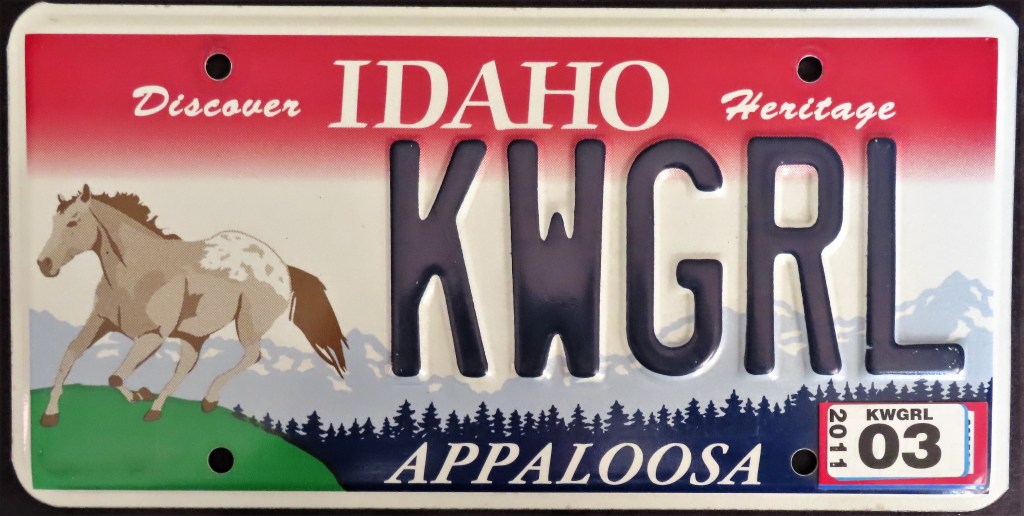
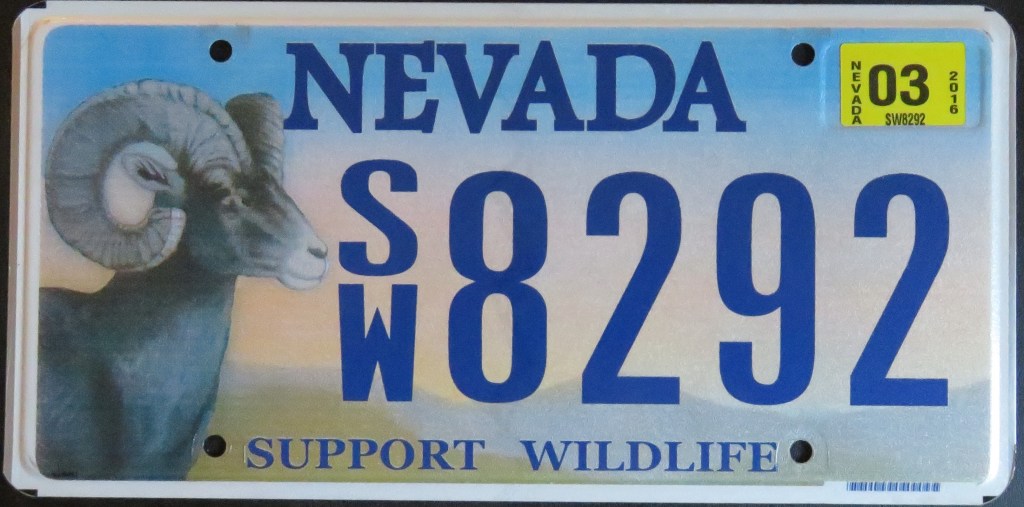
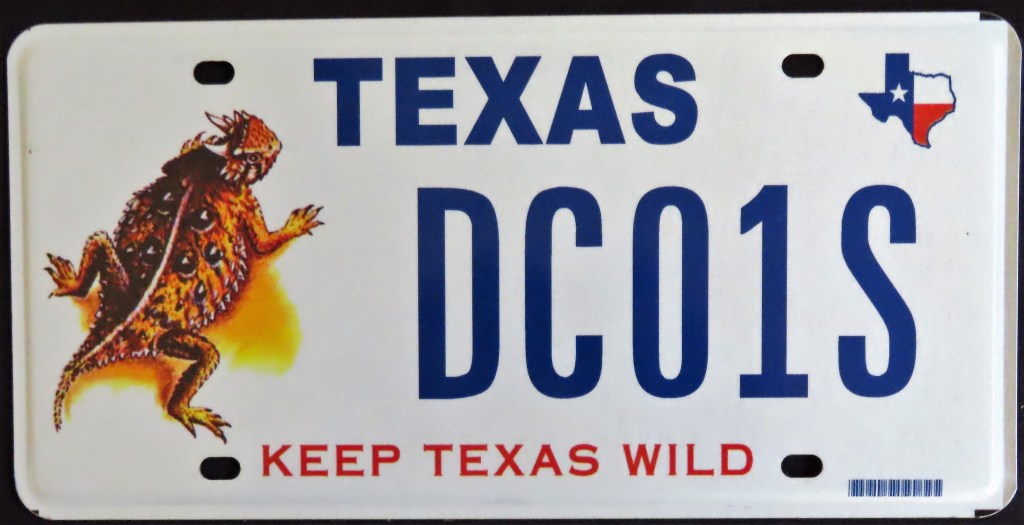
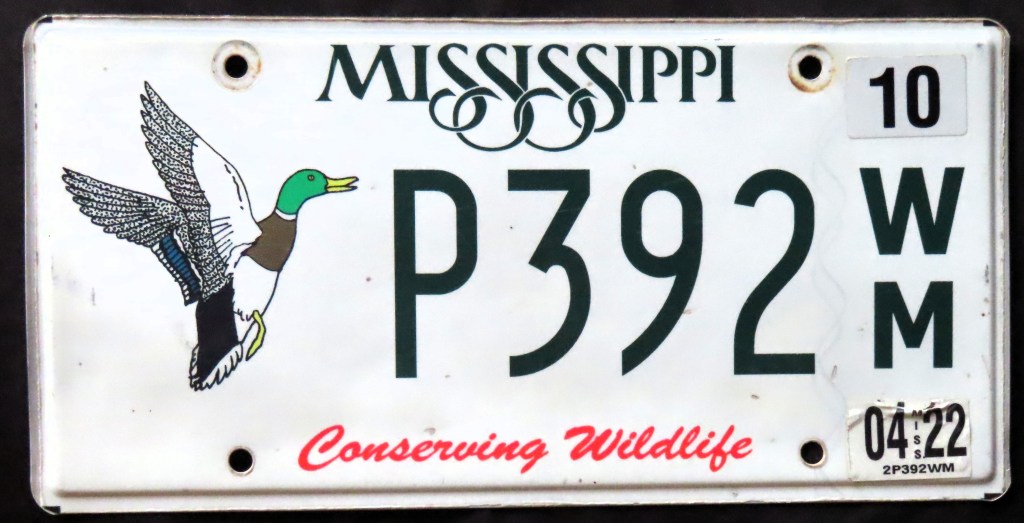
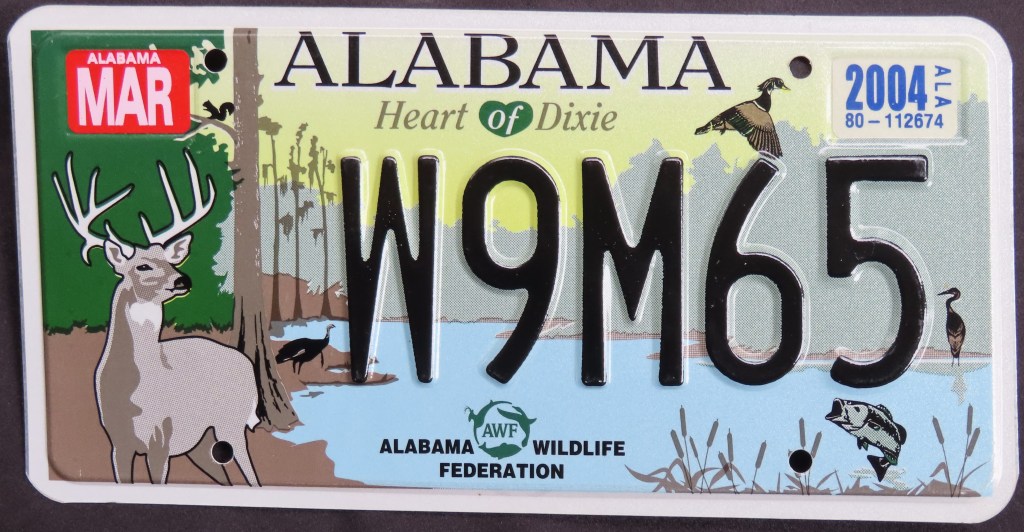
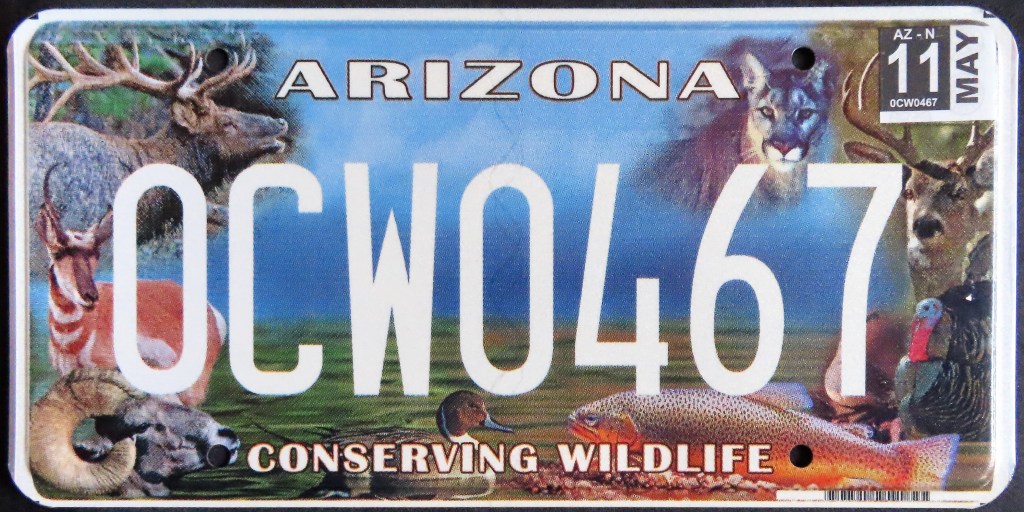
Alabama is one of several states to issue a plate for wild turkeys; Arizona‘s “Conserving Wildlife” plate is lush with detail; Nevada uses an image of a bighorn sheep to “Support Wildlife,” while a tortoise graces the “Respect & Protect” desert conversation plate; in Texas you can spot the Texas horned lizard in the wild or on the back of an automobile; and Idaho, Montana, and Nevada have all made efforts to preserve the horse in wild form.
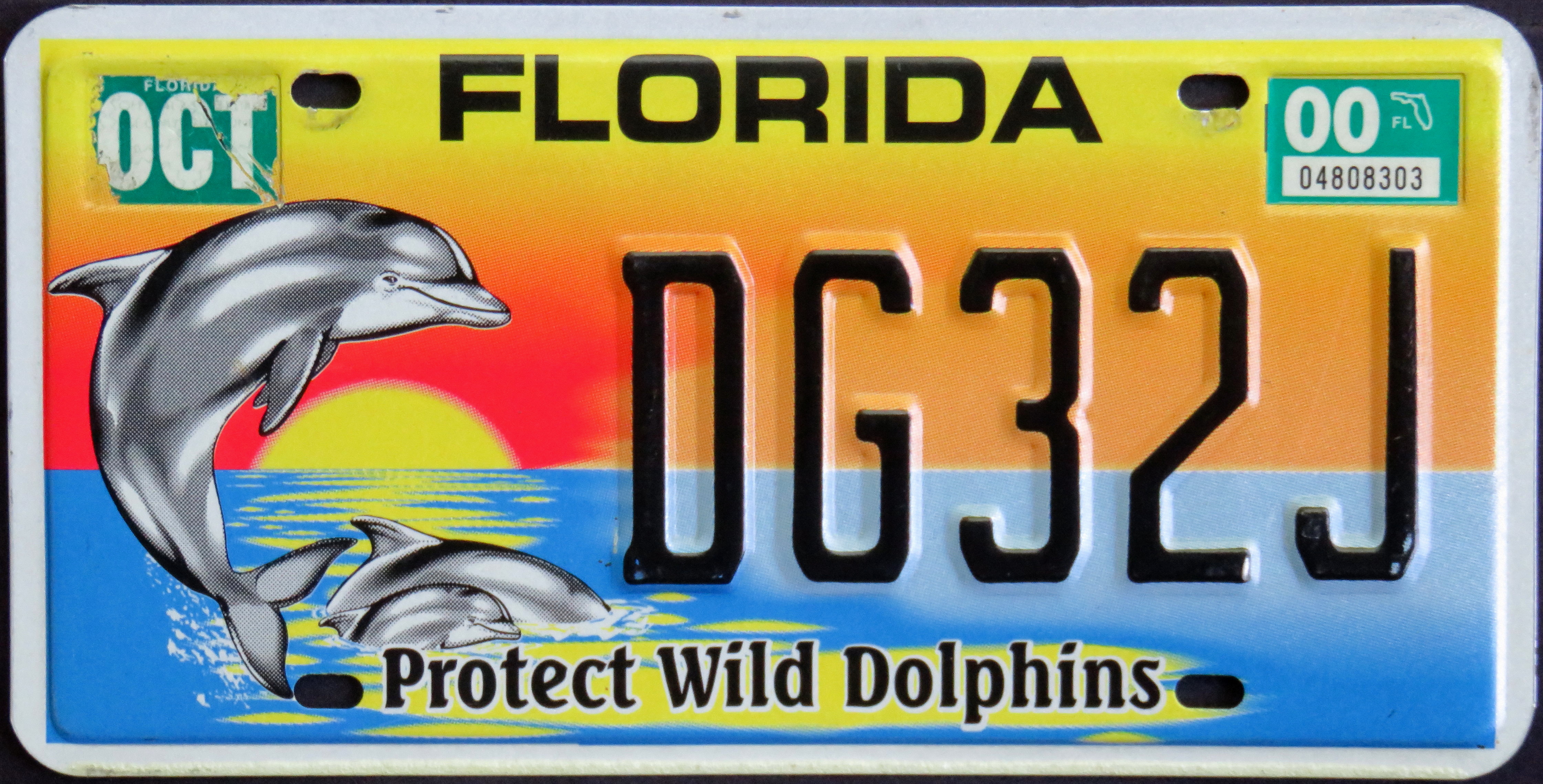
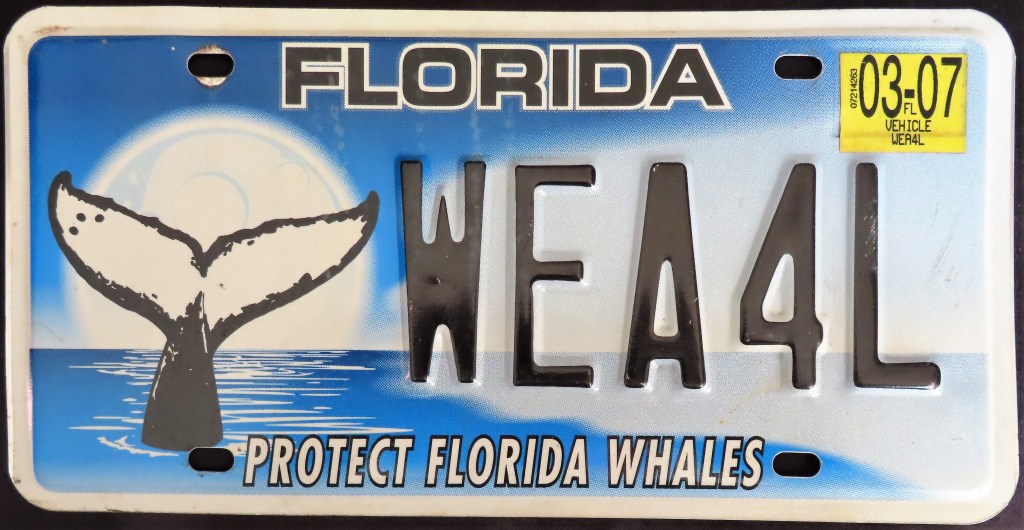
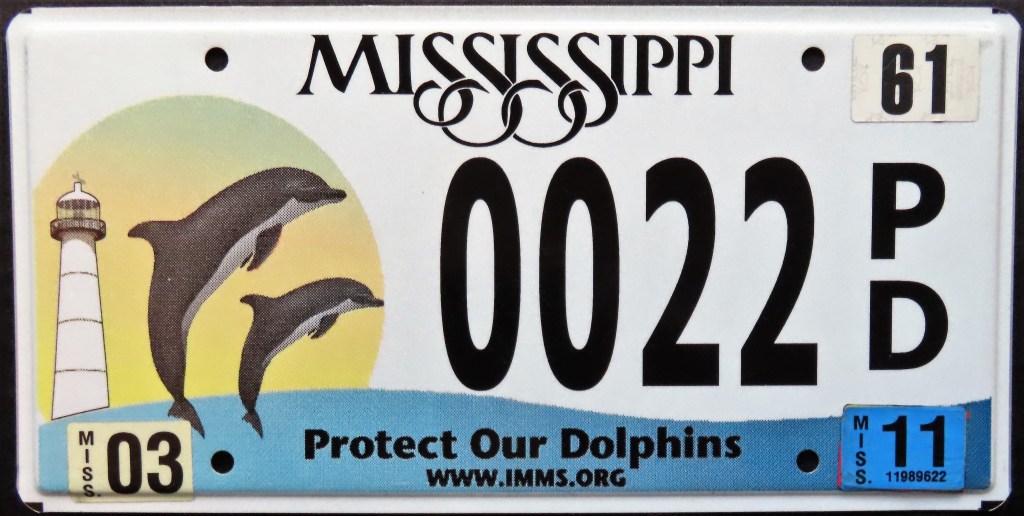
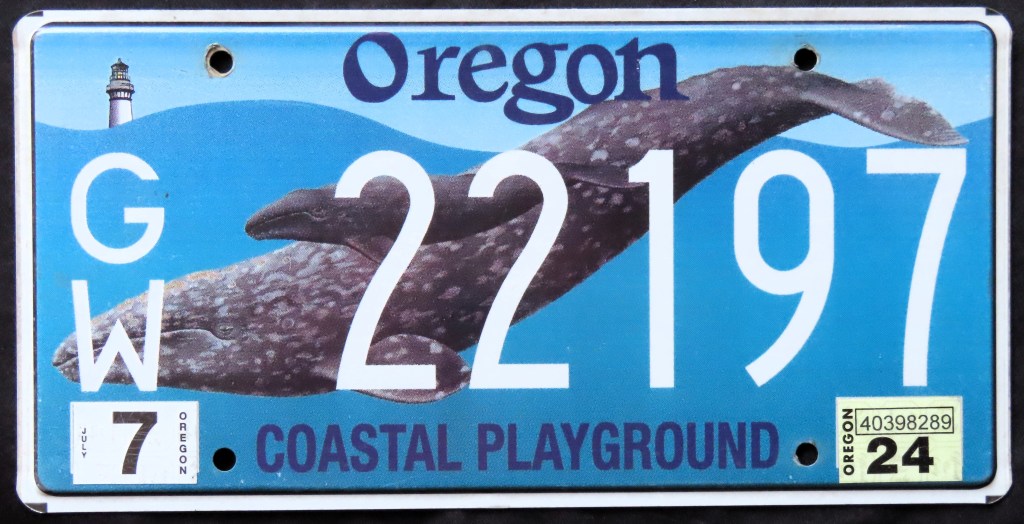
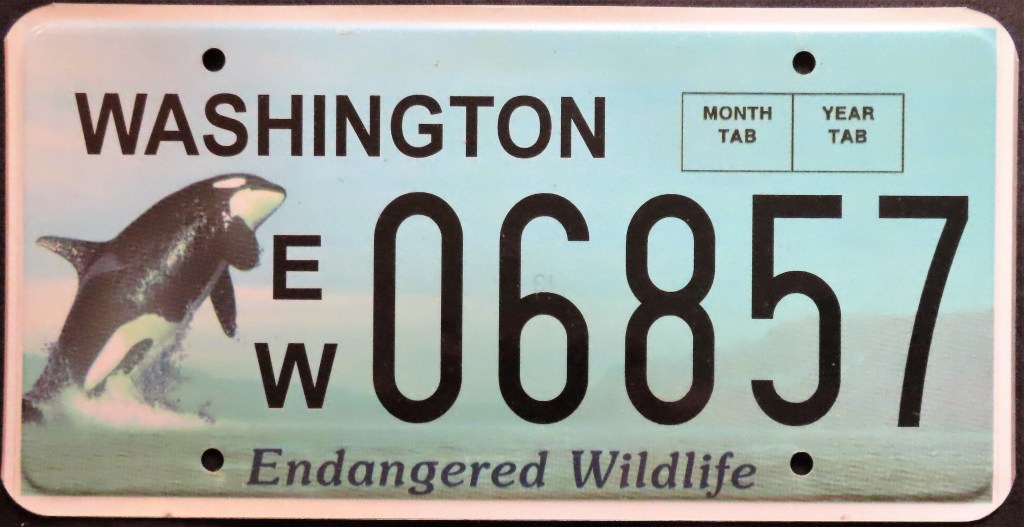
There are three variations of the California “Whale Tail” plate (which benefits the California Coastal Commission) – 1997, 2001, and 2011 respectively. Florida and Mississippi have dolphins; Florida and Massachusetts also feature whale tails; Oregon‘s “Coastal Playground” specialty features a gray whale; and an orca leaps out of the water on a Washington specialty.
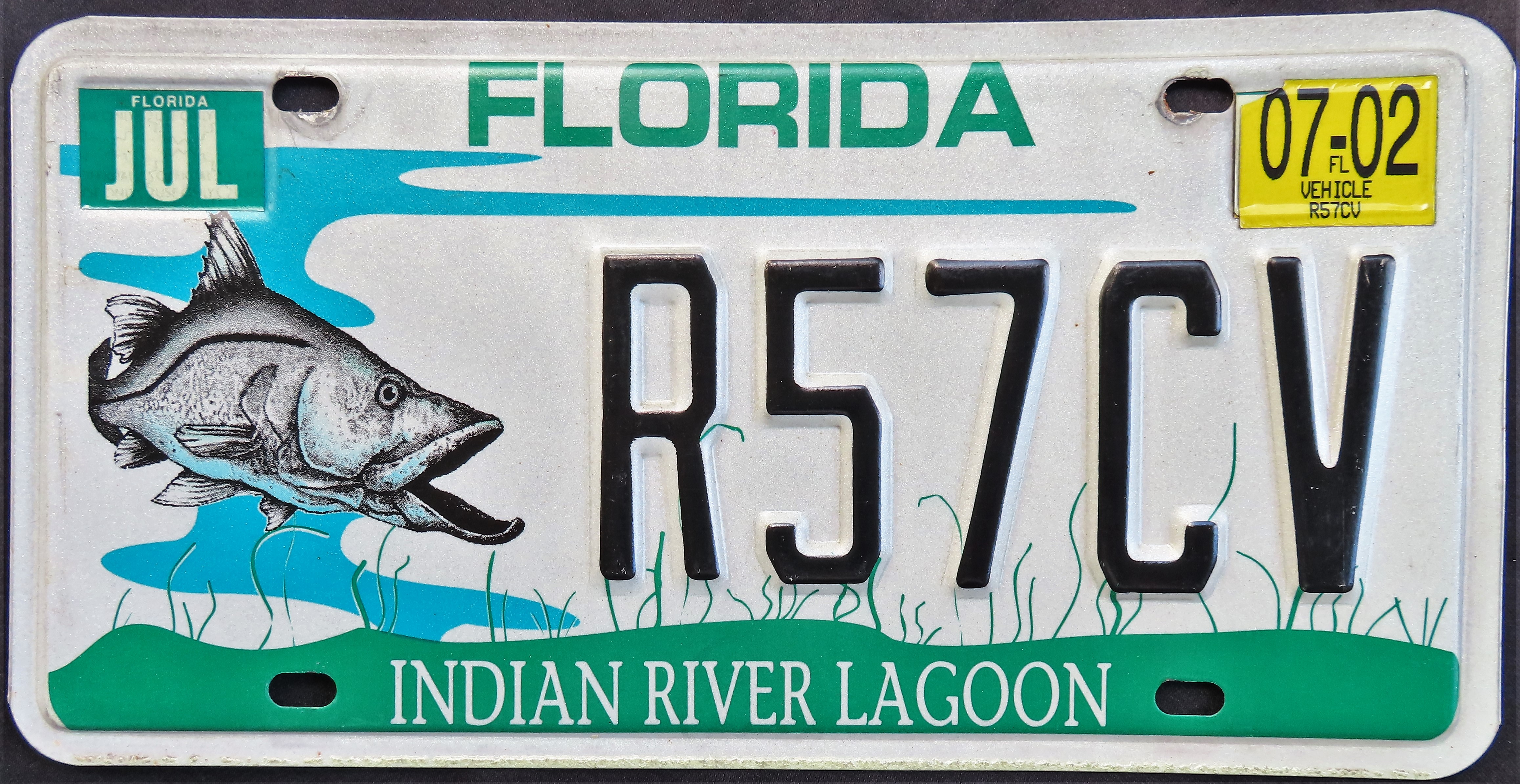
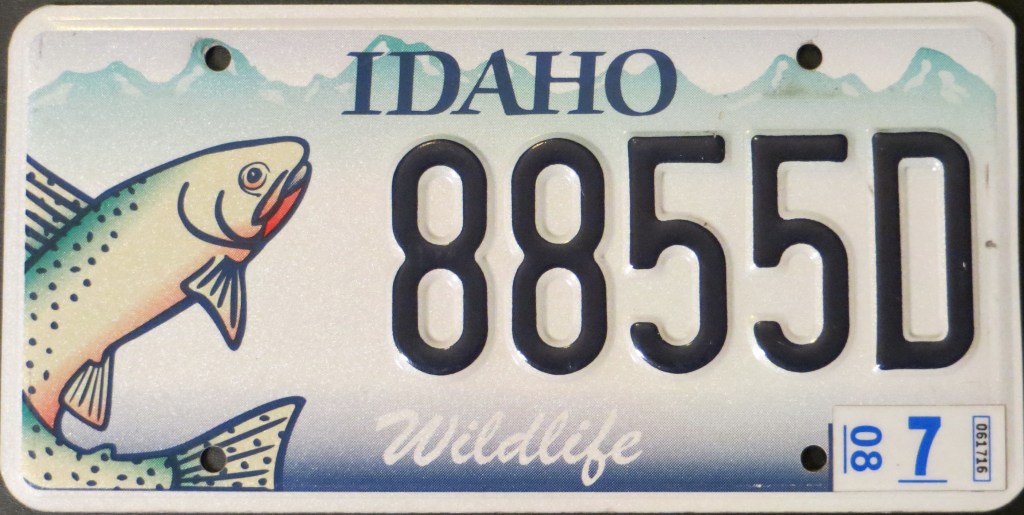
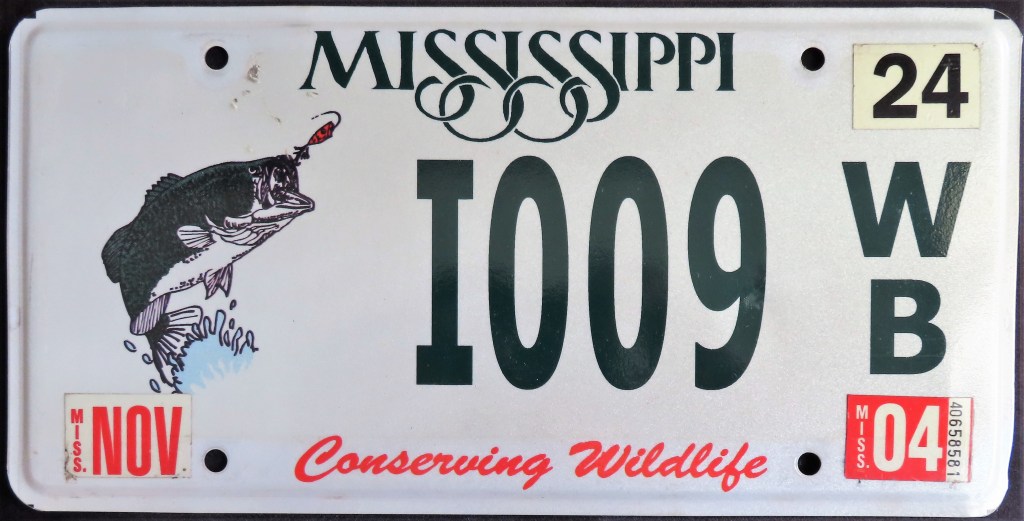
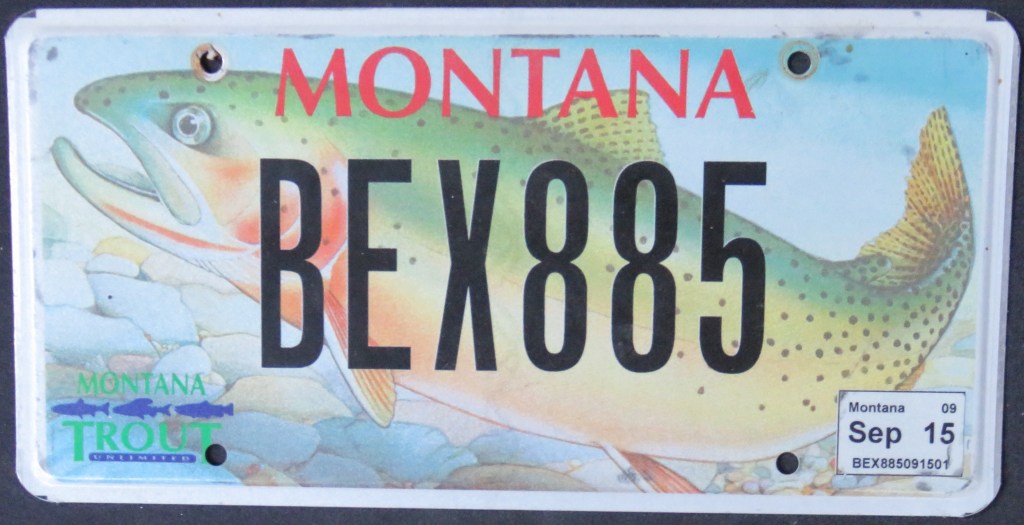
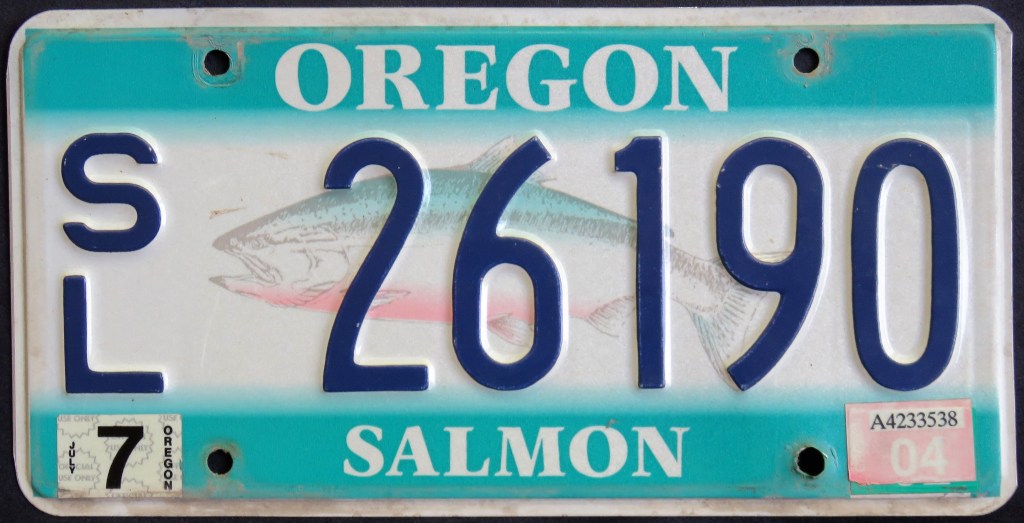
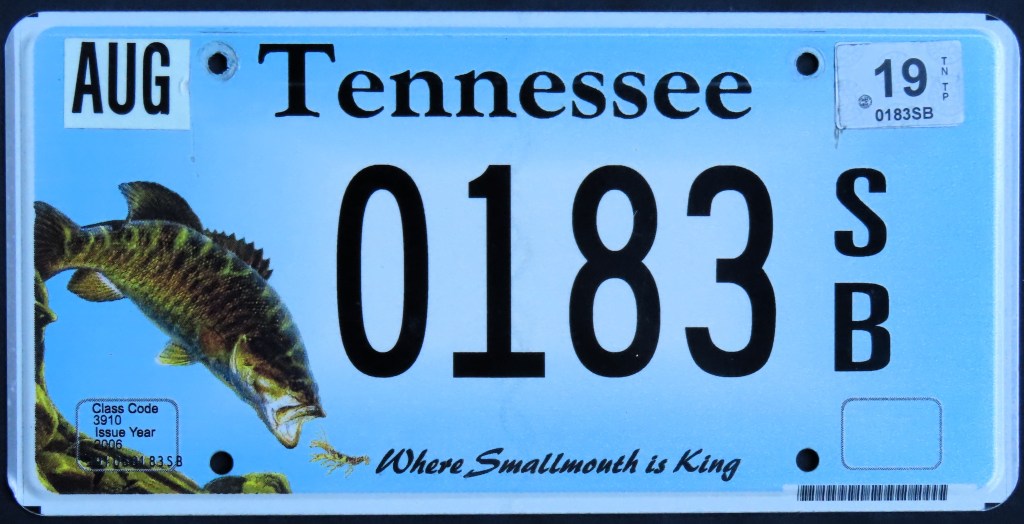
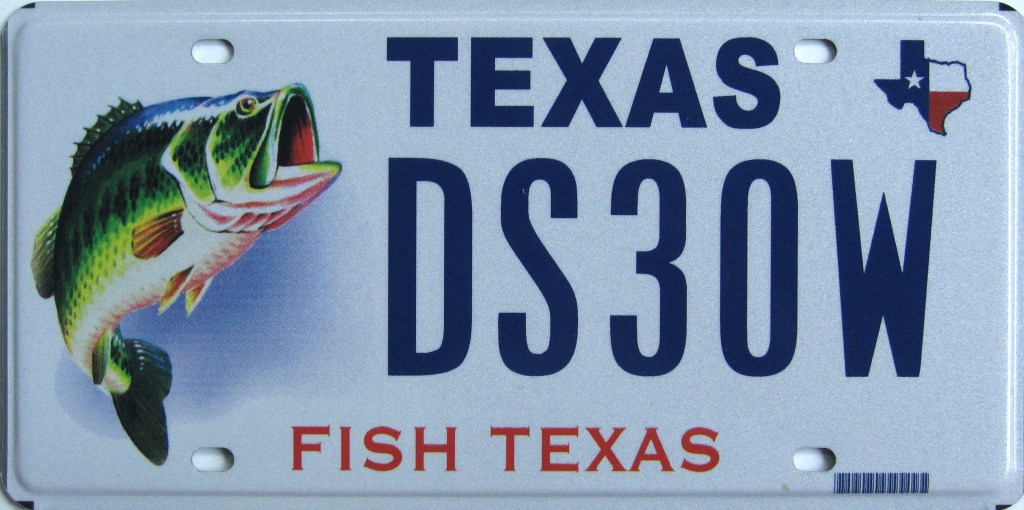
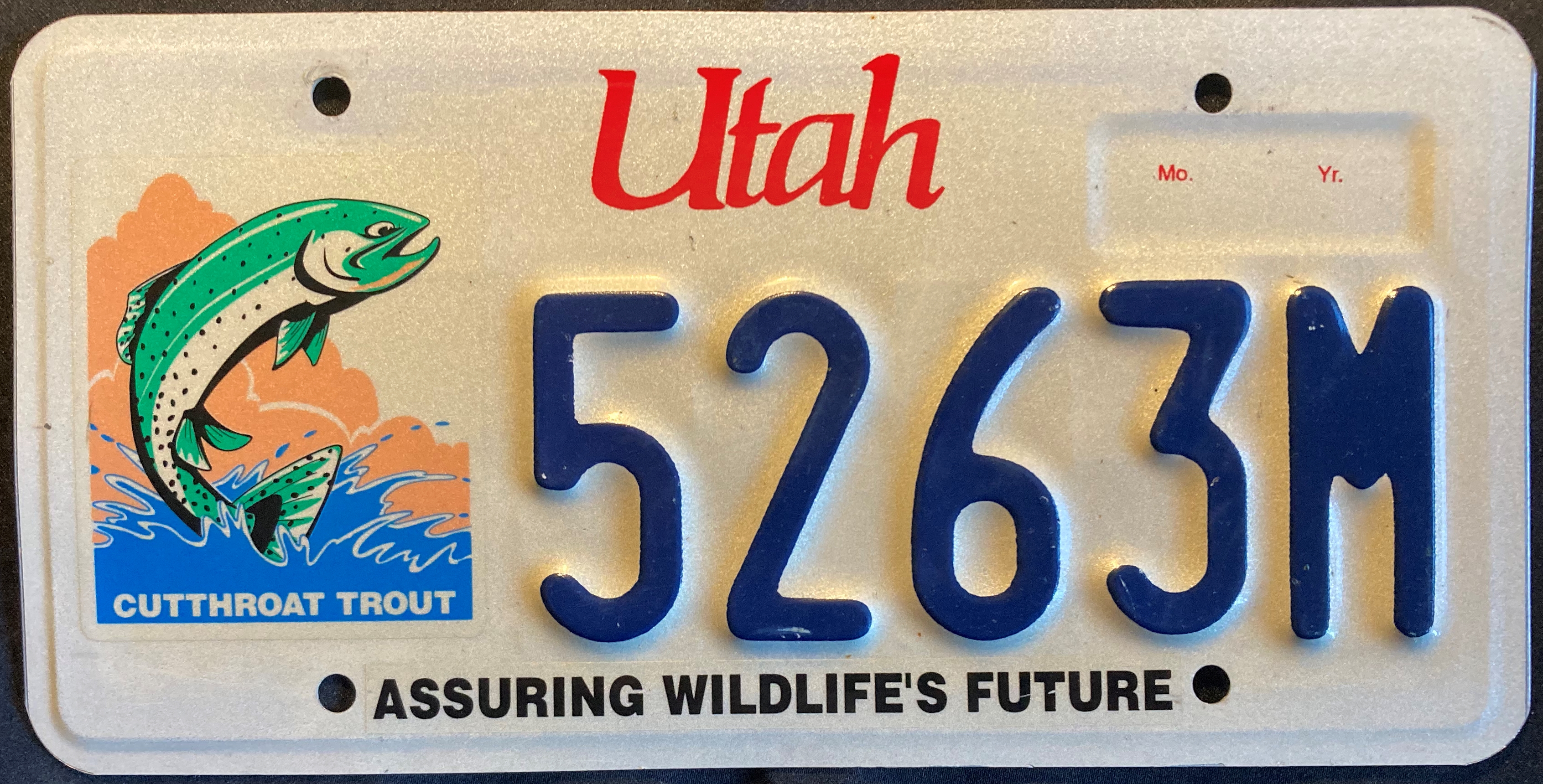
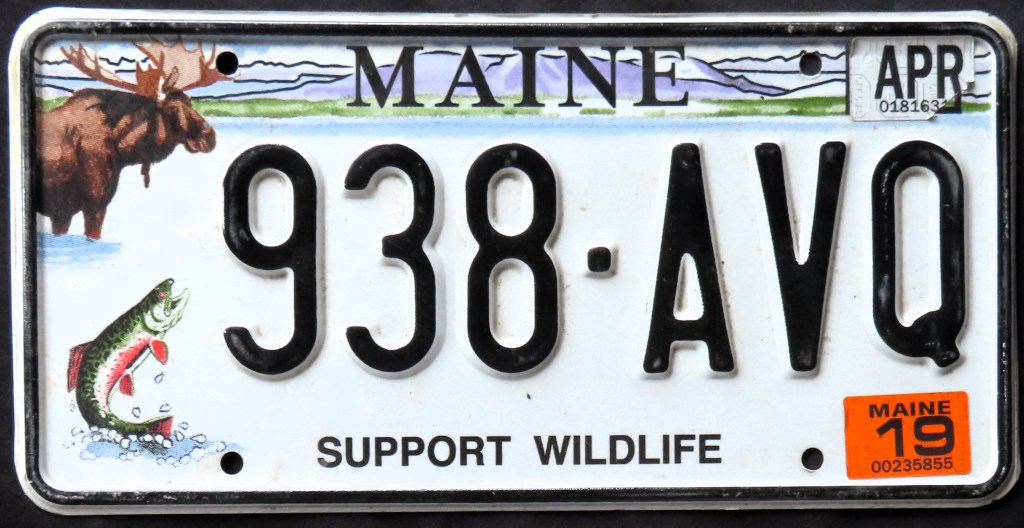
Bass (Arkansas, Mississippi, Texas), trout (Idaho, Maine, Massachusetts, Montana, Utah) and other fish appear on the plates above. Florida, not surprisingly, leads the pack here due to its location and its prevalence of specialty plates.
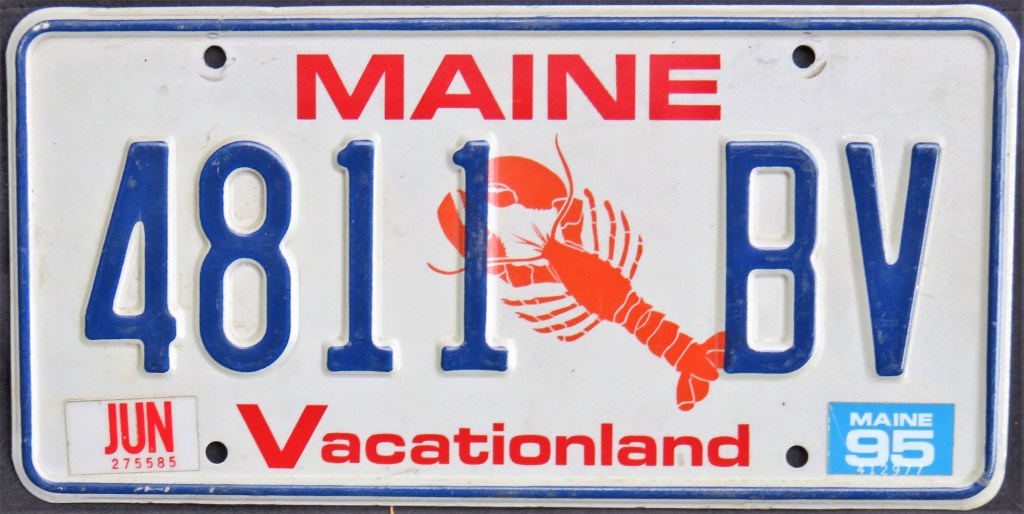
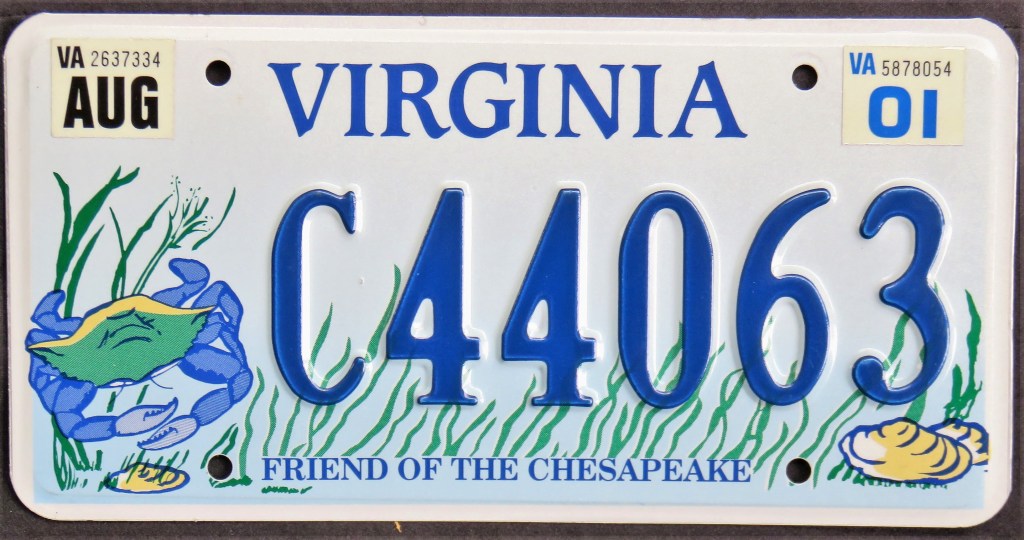
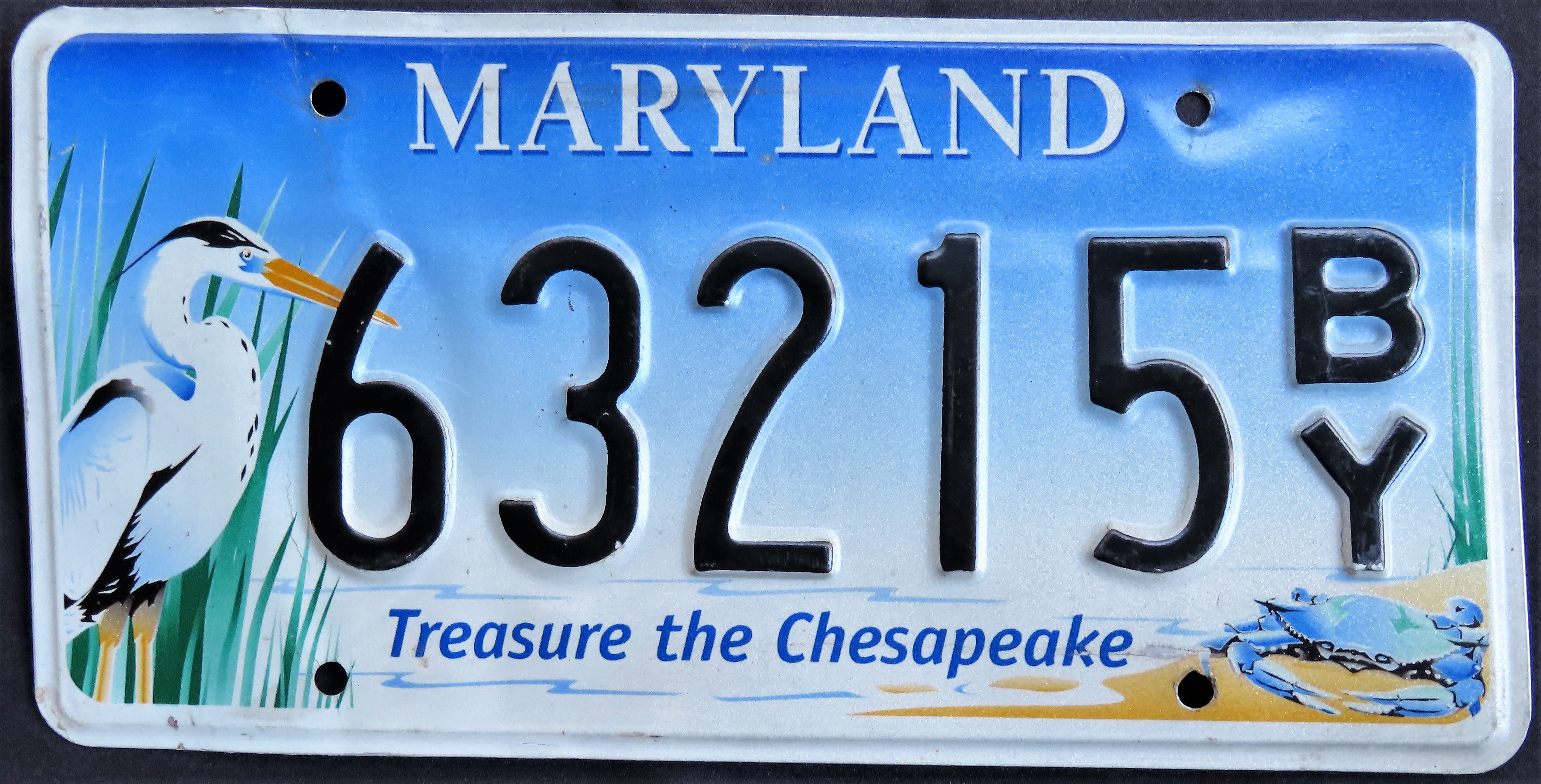
There’s no denying the State Crustacean (yes, it’s a thing) of Maine: lobster. The state is the largest lobster-producing state in the U.S. and a graphic has appeared on the 1987 base as well as a 2004 specialty. It’s worth noting that lobsters are this color red only after being cooked, but they are more easily recognized by the public this way. Virginia‘s specialty benefites the Chesapeake.
























































 license plate room